


For decades, humanoid robots have existed primarily in science fiction. From futuristic movies depicting intelligent robotic companions to television shows featuring lifelike machines capable of performing complex human tasks, the idea of robots living and working alongside people has fascinated humanity for generations.
Today, that vision is rapidly becoming reality.
Recent breakthroughs in artificial intelligence, machine learning, computer vision, and robotics engineering have accelerated the development of humanoid robots at an unprecedented pace. Companies worldwide are investing billions of dollars to create robots capable of walking, talking, learning, and interacting with humans in increasingly natural ways.
But as these machines become more sophisticated, an important question emerges: Are humanoid robots truly ready for everyday life?
The answer is both exciting and complex. While remarkable progress has been made, significant challenges remain before humanoid robots become as common as smartphones or personal computers.
In this article, we’ll explore the rise of humanoid robots, their current capabilities, practical applications, advantages, limitations, and what the future may hold for these extraordinary machines.
What Are Humanoid Robots?
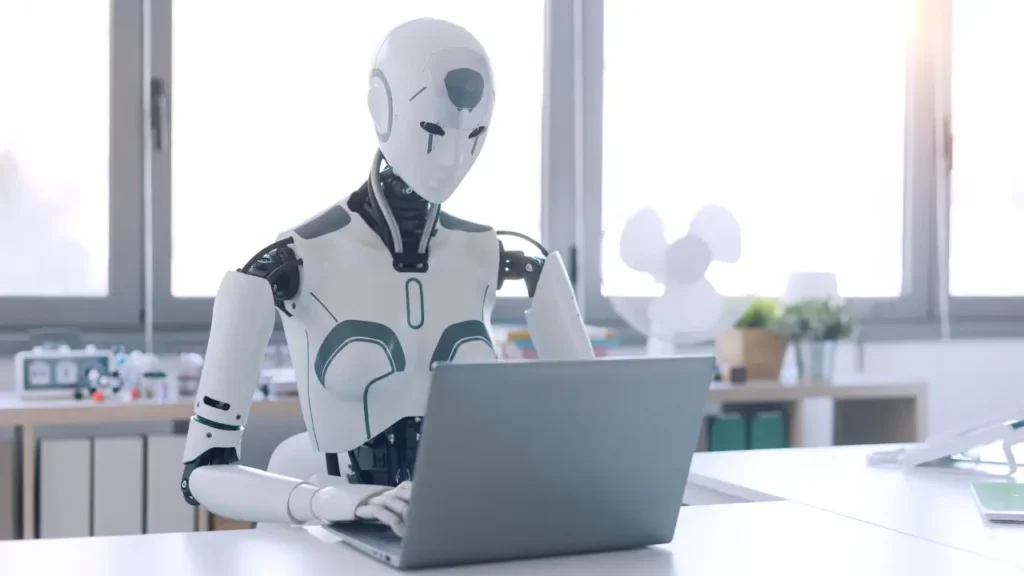
Humanoid robots are machines designed to resemble and imitate human appearance and behavior. Unlike traditional industrial robots that remain fixed in factories performing repetitive tasks, humanoid robots are built to function in environments designed for humans.
Most humanoid robots feature:
- A head equipped with cameras and sensors
- Two arms and hands for manipulation
- A torso that mimics human proportions
- Two legs for walking and balance
- Advanced AI systems for decision-making
- Voice recognition and communication capabilities
The goal is not merely to create robots that look human but to design machines capable of navigating and interacting within human-centered environments without requiring significant modifications.
This human-like form allows robots to use existing tools, open doors, climb stairs, and perform tasks that would otherwise require entirely new infrastructure.
Why Humanoid Robots Are Advancing So Quickly
Several technological breakthroughs have converged to accelerate humanoid robot development.
Artificial Intelligence
The rise of advanced AI models has dramatically improved robotic intelligence. Modern robots can process language, recognize objects, understand instructions, and make decisions based on complex environmental data.
Unlike earlier robots that relied on rigid programming, today’s humanoid robots can adapt to changing situations and learn from experience.
Computer Vision
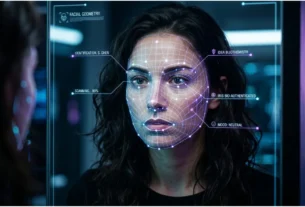
Computer vision enables robots to interpret and understand visual information. Using cameras and AI-powered image analysis, robots can identify objects, recognize faces, estimate distances, and safely navigate crowded environments.
This capability is essential for operating in homes, offices, hospitals, and public spaces.
Improved Sensors
Modern sensors provide robots with a better understanding of their surroundings. Force sensors, depth cameras, lidar systems, microphones, and touch-sensitive surfaces allow robots to react more naturally and safely.
Advanced Mobility Systems
Walking has historically been one of the most difficult challenges in robotics. Recent improvements in balance control, motion planning, and actuator technology have enabled humanoid robots to walk, run, climb stairs, and recover from disturbances with impressive stability.
Faster Computing Power
Powerful processors now allow robots to analyze vast amounts of information in real time. This computational capability enables faster decision-making and smoother interactions with humans.
Current Real-World Applications of Humanoid Robots
Although fully autonomous household robots are not yet widespread, humanoid robots are already being deployed in various industries.
Healthcare Assistance
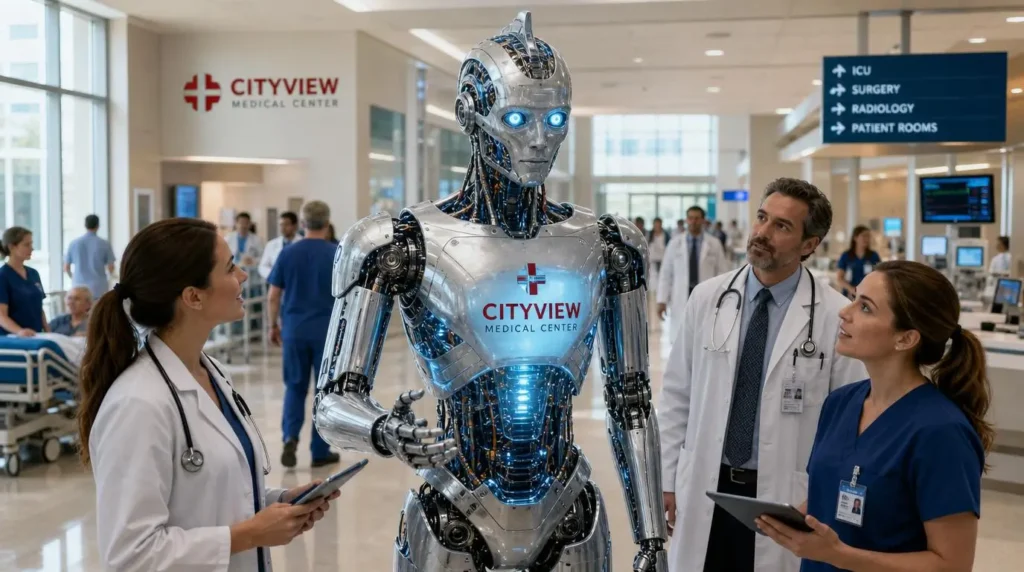
Healthcare represents one of the most promising sectors for humanoid robots.
Robots can assist healthcare workers by:
- Delivering medications
- Transporting supplies
- Monitoring patients
- Providing companionship to elderly individuals
- Supporting rehabilitation exercises
In countries facing aging populations and healthcare worker shortages, humanoid robots may help bridge critical gaps in care.
Customer Service
Many businesses are experimenting with robotic receptionists and customer service assistants.
These robots can:
- Answer questions
- Guide visitors
- Provide directions
- Assist with check-ins
- Deliver information in multiple languages
Their ability to work continuously makes them attractive for airports, hotels, shopping centers, and healthcare facilities.
Education
Educational robots are increasingly used in classrooms to support learning experiences.
Humanoid robots can:
- Teach basic subjects
- Help children practice language skills
- Assist students with special educational needs
- Encourage engagement through interactive learning
Many educators believe robots can complement teachers rather than replace them.
Manufacturing and Logistics
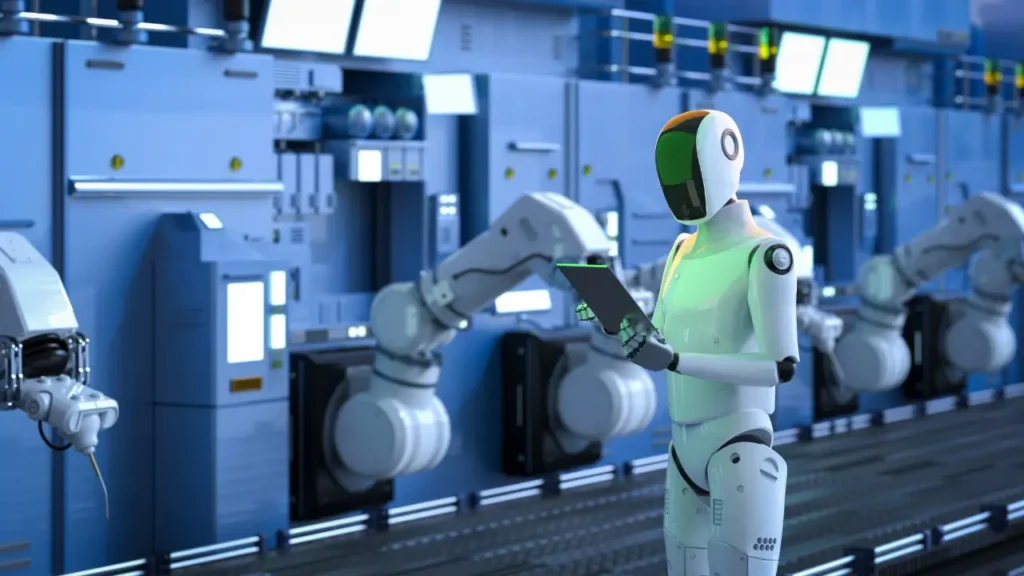
Factories remain one of the most practical environments for humanoid robots.
Unlike traditional industrial robots confined to specific tasks, humanoid robots can potentially perform multiple functions, making them more flexible in dynamic workplaces.
Tasks may include:
- Inventory management
- Quality inspections
- Equipment maintenance
- Material handling
- Warehouse operations
Household Assistance
Perhaps the most anticipated application is home assistance.
Researchers are developing robots capable of:
- Cleaning homes
- Folding laundry
- Washing dishes
- Preparing simple meals
- Assisting individuals with disabilities
- Providing home security monitoring
While these capabilities remain limited today, progress is occurring rapidly.
The Benefits of Humanoid Robots in Daily Life
The widespread adoption of humanoid robots could bring numerous benefits.
Increased Productivity
Robots can perform repetitive, physically demanding, or time-consuming tasks, allowing humans to focus on more creative and meaningful activities.
Businesses may benefit from improved efficiency and reduced operational costs.
Support for Aging Populations
Many countries face growing elderly populations and declining birth rates.
Humanoid robots could help seniors maintain independence by assisting with daily activities, medication reminders, mobility support, and emergency response.
Enhanced Accessibility
Individuals with disabilities may benefit significantly from robotic assistance.
Humanoid robots could help with:
- Personal care
- Household chores
- Transportation assistance
- Communication support
These services could improve quality of life and increase independence.
24/7 Availability
Unlike humans, robots do not require breaks, vacations, or sleep.
This continuous availability makes them valuable in industries requiring around-the-clock support.
Improved Workplace Safety
Humanoid robots can perform dangerous tasks in hazardous environments, reducing human exposure to risks.
Examples include:
- Disaster response
- Nuclear facility inspections
- Mining operations
- Chemical handling
- Firefighting support
Major Challenges Preventing Widespread Adoption
Despite impressive advancements, several obstacles still limit widespread deployment.
High Costs
One of the biggest barriers is affordability.
Many advanced humanoid robots currently cost tens of thousands—or even hundreds of thousands—of dollars.
For average consumers, these prices remain prohibitively expensive.
As manufacturing scales increase and technology matures, costs are expected to decrease significantly.
Limited Reliability
Humans possess remarkable adaptability and common sense.
Robots, despite their intelligence, still struggle with unpredictable situations.
Simple tasks that humans perform effortlessly can present major challenges for robots, particularly in cluttered or constantly changing environments.
Battery Life Limitations
Most humanoid robots rely on batteries that provide only a few hours of operation.
Improving energy efficiency and battery technology remains a major priority for robotics companies.
Safety Concerns
Ensuring robots can safely interact with people is critical.
A robot operating in a crowded environment must be capable of detecting obstacles, avoiding collisions, and responding appropriately to unexpected events.
Even minor errors could result in injuries or property damage.
Ethical and Social Questions
The rise of humanoid robots raises important ethical considerations.
Questions include:
- How much autonomy should robots have?
- Who is responsible when a robot makes a mistake?
- How should personal data collected by robots be protected?
- Could robots replace human jobs?
Governments and organizations worldwide are working to establish regulatory frameworks that address these concerns.
Will Humanoid Robots Replace Human Workers?
One of the most debated topics surrounding robotics is employment.
Historically, technological advancements have both eliminated and created jobs.
Humanoid robots are likely to automate certain repetitive and physically demanding tasks. However, many experts believe they will augment human workers rather than completely replace them.
Jobs involving creativity, emotional intelligence, critical thinking, leadership, and interpersonal communication remain difficult for robots to replicate.
Instead of replacing entire professions, robots may handle routine responsibilities while humans focus on higher-level activities.
The transition may require workforce retraining and adaptation, but it could also create entirely new industries and career opportunities.
The Role of Artificial Intelligence in Future Robots
Artificial intelligence is the driving force behind the next generation of humanoid robots.
Future robots are expected to become increasingly capable of:
- Understanding natural language
- Learning from experience
- Recognizing emotions
- Predicting human needs
- Collaborating effectively with people
As AI systems continue improving, robots may become more personalized and responsive to individual users.
For example, a home robot could learn a family’s routines, preferences, schedules, and habits to provide tailored assistance.
This level of personalization could dramatically enhance user experiences.
What Everyday Life Could Look Like in 2035
Imagine waking up in 2035.
A humanoid robot has already prepared breakfast, reviewed your calendar, and informed you of important appointments.
While you’re at work, the robot cleans the house, receives deliveries, assists elderly family members, and monitors home security.
In hospitals, robots support nurses and doctors. In schools, robotic assistants help students learn. In offices, robots manage repetitive administrative tasks.
While this vision may seem futuristic, many of the underlying technologies already exist today.
The primary challenge lies in refining, integrating, and scaling these technologies to achieve reliable, affordable deployment.
Are Humanoid Robots Ready for Everyday Life?
The answer depends on how “ready” is defined.
Humanoid robots are already capable of performing useful tasks in controlled environments such as factories, hospitals, research facilities, and customer service settings.
However, they are not yet ready to become universal household assistants for the average consumer.
Current limitations involving cost, reliability, battery life, safety, and adaptability still prevent widespread adoption.
That said, progress is accelerating rapidly.
The advancements made over the past five years suggest that humanoid robots could become far more common during the next decade.
As technology continues evolving, these machines will likely transition from experimental prototypes to practical tools that enhance daily life.
Conclusion
The rise of humanoid robots marks one of the most significant technological transformations of the 21st century. Powered by artificial intelligence, advanced sensors, improved mobility systems, and increasingly sophisticated computing capabilities, these machines are moving closer to becoming valuable members of society.
While challenges remain, the potential benefits are enormous. From supporting healthcare and education to assisting aging populations and improving workplace safety, humanoid robots could fundamentally reshape how humans live and work.
Although they may not yet be ready to replace household helpers entirely, their rapid evolution suggests that the future imagined by science fiction is arriving faster than many people expected.
The question is no longer whether humanoid robots will become part of everyday life—it is simply a matter of when.
Interested in discovering how artificial intelligence is transforming the world? Check out our latest articles on Artificial Intelligence Innovations to stay ahead of the technologies shaping tomorrow.https://growthpoweredai.com/2026/05/30/artificial-intelligence-change-work/


1 thought on “The Incredible Rise of Humanoid Robots in 2026: Are They Ready for Everyday Life?”