Introduction
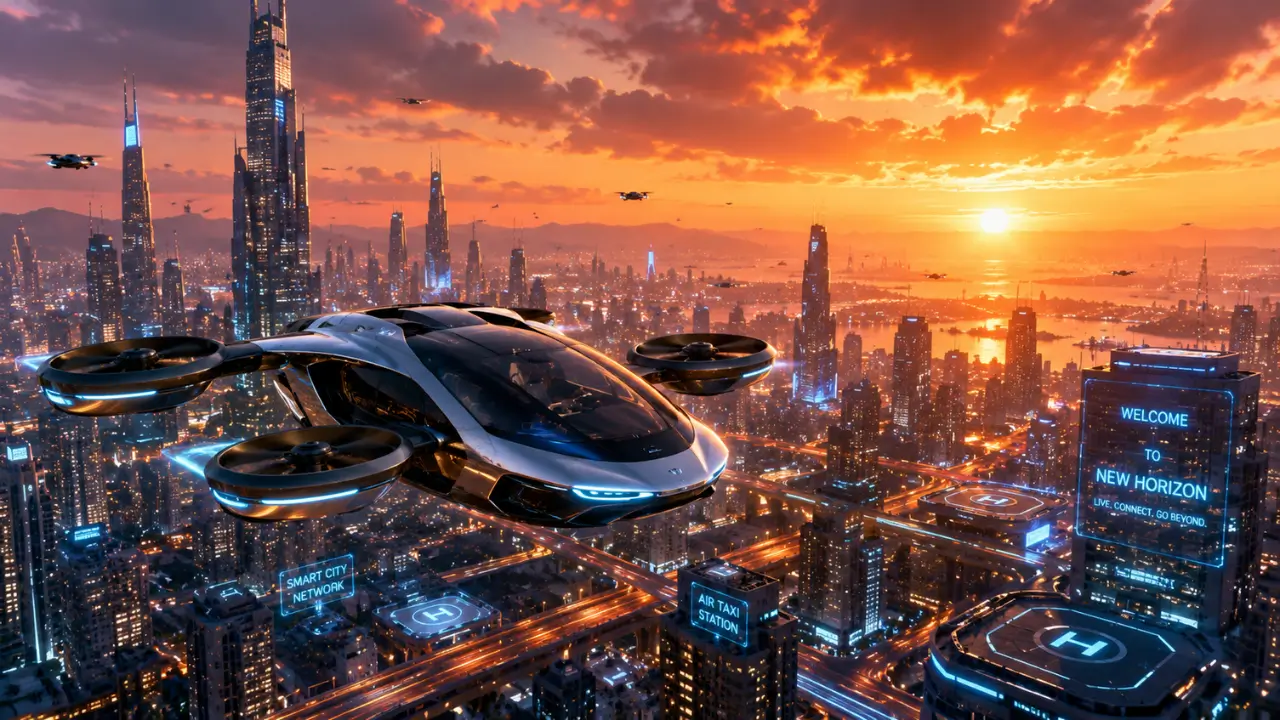
For more than a century, flying cars have captured the imagination of inventors, engineers, filmmakers, and dreamers. From classic science fiction movies to futuristic concept art, the idea of driving a vehicle that can also take off and soar above traffic has long represented the ultimate vision of transportation. But what once seemed impossible is rapidly becoming a serious engineering and business reality.
Today, several companies around the world are developing vehicles capable of both road travel and flight, while others are building electric air taxis designed to transport passengers across cities in just minutes. Advances in artificial intelligence, electric propulsion, autonomous navigation, lightweight materials, and battery technology are making this vision more achievable than ever before.
Governments and aviation authorities are also beginning to prepare regulations for this new generation of transportation. Pilot programs are already taking place in several countries, and some flying vehicles have successfully completed test flights. While challenges remain—including infrastructure, safety, affordability, and public acceptance—the progress made over the last decade has been remarkable.
The question is no longer whether flying cars can exist. Instead, the debate has shifted toward when they will become a common part of everyday life.
In this article, you’ll discover seven fascinating facts about flying cars, explore the technology behind them, examine the companies leading the industry, and learn whether these futuristic vehicles are truly the next revolution in transportation.
What Are Flying Cars?
Despite the name, not every flying car is designed exactly the same way. In fact, the industry currently includes several different types of aerial vehicles that aim to transform personal and urban transportation.
Generally speaking, a flying car is a vehicle capable of operating both on the ground and in the air, or one specifically designed to provide short-distance aerial transportation within cities.
Most modern designs rely on electric propulsion systems instead of traditional gasoline engines. These electric systems produce fewer emissions, generate less noise, and require significantly less maintenance than conventional aircraft engines.
Unlike helicopters, many flying vehicles use multiple electric rotors that provide vertical takeoff and landing capabilities. This technology is commonly known as VTOL (Vertical Takeoff and Landing) or eVTOL (Electric Vertical Takeoff and Landing).
These aircraft are expected to play an important role in the future of urban mobility by reducing travel times, avoiding road congestion, and offering cleaner transportation alternatives.
Different Types of Flying Vehicles
The industry is currently developing several categories of flying transportation:
Roadable Flying Cars
These vehicles can be driven on regular roads before transforming into small aircraft for flight.
Potential advantages include:
- Dual transportation functionality
- Reduced need for airports
- Greater travel flexibility
- Long-distance capability
Air Taxis
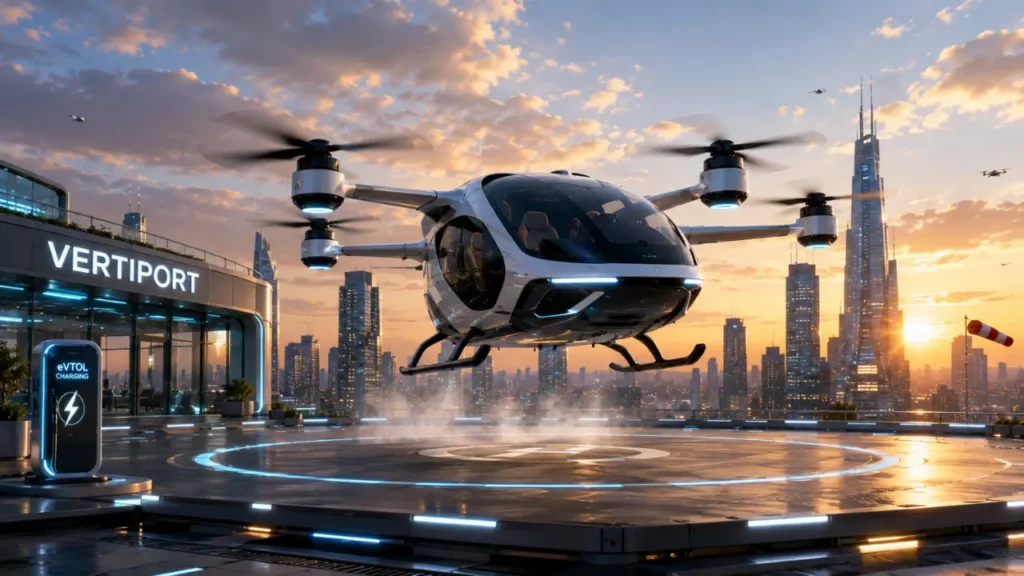
Air taxis are perhaps the most promising category. Rather than driving on roads, these electric aircraft transport passengers directly between designated landing locations known as vertiports.
Expected benefits include:
- Faster urban transportation
- Reduced traffic congestion
- Lower emissions
- Quiet electric propulsion
Personal Aerial Vehicles
Some manufacturers envision privately owned flying vehicles designed for individual transportation, similar to today’s automobiles.
Although still expensive, these models could eventually become more affordable as production scales increase.

Fact #1: Flying Cars Already Exist
Perhaps the biggest surprise is that flying cars are no longer science fiction.
Several companies have already developed working prototypes capable of successful test flights. Some models have even received preliminary certifications that allow limited commercial operation.
These achievements demonstrate that the technology itself is no longer the primary obstacle.
Modern flying vehicles successfully combine innovations in:
- Electric motors
- Lightweight carbon-fiber construction
- Artificial intelligence
- Autonomous flight systems
- GPS navigation
- Advanced aviation software
Many prototypes can transition between vertical flight, forward flight, and landing with impressive stability.
While mass production has not yet begun, the engineering challenges that once seemed impossible have largely been solved.
The focus has now shifted toward manufacturing, certification, infrastructure, and cost reduction.
Fact #2: Artificial Intelligence Makes Flying Cars Possible
Artificial intelligence is one of the most important technologies behind modern flying vehicles.
Unlike traditional airplanes that require highly trained pilots, future flying cars are expected to automate much of the flying process.
AI systems continuously analyze thousands of variables, including:
- Wind conditions
- Weather changes
- Nearby aircraft
- Battery levels
- Flight routes
- Landing zones
- Obstacle detection
- Emergency situations
Machine learning algorithms can instantly calculate safer flight paths while avoiding collisions and adapting to changing conditions.
In the future, many flying vehicles may require little or no manual piloting.
Autonomous Navigation
Self-flying technology depends on a combination of:
- Artificial intelligence
- LiDAR sensors
- High-resolution cameras
- Radar systems
- GPS
- Satellite positioning
- Computer vision
Together, these technologies allow aircraft to “see” the surrounding environment and make intelligent navigation decisions in real time.
Fact #3: Electric Batteries Are Revolutionizing Aviation
One of the biggest reasons flying cars are becoming practical is the rapid advancement of battery technology.
Traditional aircraft rely heavily on fuel-powered engines because batteries were once too heavy and stored too little energy.
However, modern lithium-ion batteries—and the next generation of solid-state batteries—are changing that equation.
Today’s electric propulsion systems offer several important advantages:
Lower Operating Costs
Electric motors contain far fewer moving parts than combustion engines.
This reduces:
- Maintenance expenses
- Mechanical failures
- Fuel costs
- Operating complexity
Reduced Noise Pollution
One major criticism of helicopters is their loud noise.
Electric flying vehicles are significantly quieter, making them much more suitable for urban environments.
Zero Direct Emissions
Because electric flying cars produce no exhaust emissions during operation, they could help cities reduce air pollution while supporting global sustainability goals.
Although electricity generation still depends on local energy sources, renewable power continues to increase worldwide, making electric aviation progressively cleaner.
How Battery Technology Continues to Improve
Researchers around the world are working on new battery chemistries that promise:
- Longer flight ranges
- Faster charging times
- Increased safety
- Lower costs
- Higher energy density
- Longer battery lifespan
Solid-state batteries, silicon-anode technologies, and other emerging innovations could dramatically improve flying vehicle performance over the next decade.
As battery technology advances, flying cars will become more practical, more affordable, and capable of carrying heavier loads over longer distances.
Why Flying Cars Matter
The development of flying cars represents much more than an exciting new gadget. It signals a fundamental shift in how people may travel in the future.
Growing urban populations, worsening traffic congestion, and increasing demand for sustainable transportation are pushing governments and private companies to explore entirely new ways of moving people and goods.
Flying vehicles could reduce commute times, improve emergency response, connect underserved regions, and create entirely new industries centered on advanced air mobility.
Yet significant challenges remain, including regulations, public acceptance, infrastructure, and affordability. These topics—and several more fascinating facts—will be explored in the next section.
Fact #4: Flying Cars Face Major Challenges Before Becoming Mainstream
While flying cars have made impressive technological progress, several significant obstacles must be overcome before they become part of everyday life. Engineers, regulators, city planners, and manufacturers all face complex challenges that require careful planning and collaboration.
Safety Comes First
Safety is the number one priority for both manufacturers and aviation authorities. Unlike conventional cars, flying vehicles operate in three-dimensional space, making the consequences of mechanical failure potentially far more serious.
To minimize risks, developers are equipping flying cars with multiple layers of safety systems, including:
- Redundant electric motors
- Backup flight computers
- Emergency power systems
- Collision avoidance technology
- Automatic emergency landing capabilities
- Real-time system monitoring
Many eVTOL aircraft are designed so that if one motor fails, the remaining motors can safely complete the flight or execute a controlled landing.
Air Traffic Management
Imagine hundreds—or even thousands—of flying vehicles operating over a major city during rush hour. Managing this level of air traffic requires a completely new approach.
Future urban air mobility will depend on intelligent air traffic management systems capable of coordinating thousands of simultaneous flights. Artificial intelligence will play a key role by continuously optimizing routes, maintaining safe distances between aircraft, and responding to changing weather conditions.
These systems will likely communicate directly with each aircraft, creating an interconnected transportation network that operates with minimal human intervention.
Infrastructure Requirements
Flying cars also require new infrastructure.
Unlike airplanes that need long runways, most modern eVTOLs are designed for vertical takeoff and landing. However, they still need safe locations to operate.
Future cities may include:
- Rooftop vertiports
- Charging stations
- Maintenance facilities
- Passenger terminals
- Emergency landing zones
- Dedicated flight corridors
Many experts believe these facilities will first appear in large metropolitan areas before expanding to smaller cities.
Regulatory Approval
Governments around the world are still developing regulations for flying cars.
Authorities must establish standards for:
- Pilot licensing (if required)
- Autonomous flight certification
- Vehicle maintenance
- Airspace management
- Insurance requirements
- Passenger safety
- Noise limits
- Cybersecurity
These regulations are essential for ensuring public confidence and safe commercial operations.
Fact #5: Several Companies Are Already Building Flying Cars
The race to develop practical flying cars has attracted startups, aerospace companies, and major automotive manufacturers.
Billions of dollars have been invested in advanced air mobility, making it one of the fastest-growing sectors in transportation technology.
Some of the industry’s most notable companies include:
Joby Aviation
Joby Aviation has become one of the leading names in electric air taxis. Its aircraft is designed to carry multiple passengers over relatively long distances while producing significantly less noise than helicopters.
The company has completed thousands of successful test flights and continues working toward commercial passenger service.
Archer Aviation
Archer Aviation focuses on short-distance urban transportation using electric vertical takeoff and landing aircraft.
Its goal is to reduce commutes that normally take an hour by car to just a few minutes by air.
Alef Aeronautics
Alef Aeronautics has attracted worldwide attention with its roadable flying car concept. Unlike most eVTOL aircraft, its vehicle is designed to drive on public roads and transition into flight when needed.
This dual-purpose design represents one of the closest visions to the classic “flying car” imagined in science fiction.
PAL-V
PAL-V has developed a unique vehicle that combines a road-going car with a gyrocopter.
Rather than using multiple electric rotors, it transforms into an aircraft by deploying its rotor system before takeoff.
XPENG AeroHT
Backed by the Chinese electric vehicle manufacturer XPENG, AeroHT is developing futuristic flying vehicles aimed at personal transportation.
The company continues investing heavily in autonomous flight technology and next-generation mobility solutions.

The Role of Artificial Intelligence in Flying Cars
Artificial intelligence does far more than simply help the vehicle navigate.
Modern AI systems also monitor:
- Battery performance
- Motor temperatures
- Passenger safety
- Weather forecasts
- Flight efficiency
- Route optimization
- Predictive maintenance
Machine learning algorithms can detect potential mechanical problems long before they become dangerous, improving reliability while reducing maintenance costs.
As AI technology continues to evolve, future flying cars are expected to become increasingly autonomous and safer than many human-operated vehicles.
Fact #6: Flying Cars Could Transform Modern Cities
Perhaps the greatest impact of flying cars will not be the vehicles themselves but how they reshape urban life.
Shorter Commutes
Traffic congestion costs billions of dollars annually in lost productivity.
Flying cars could dramatically reduce travel times by allowing passengers to travel directly above congested roads.
A commute that currently takes 90 minutes could eventually be reduced to 15 or 20 minutes.
Better Emergency Services
Flying vehicles may become valuable tools for emergency response.
Potential applications include:
- Medical transport
- Disaster relief
- Search and rescue
- Fire response
- Organ transportation
- Emergency supply delivery
Because they can travel directly to their destinations, flying vehicles could save valuable time during life-threatening emergencies.
Environmental Benefits
Although manufacturing batteries has environmental impacts, electric flying cars produce no direct emissions during flight.
Combined with renewable energy sources, they could help reduce urban air pollution while supporting climate goals.
Their quieter electric motors also reduce noise pollution compared to helicopters.
Economic Growth
The flying car industry is expected to create thousands of jobs in:
- Manufacturing
- Software engineering
- Artificial intelligence
- Aviation maintenance
- Infrastructure construction
- Air traffic management
- Battery technology
- Robotics
Entirely new careers may emerge as advanced air mobility becomes part of daily transportation.

Fact #7: Flying Cars May Arrive Sooner Than You Think
Many people assume flying cars are still decades away.
In reality, commercial operations are much closer than most realize.
Several companies expect to launch limited passenger services within the next few years, beginning with air taxi networks in selected cities.
Initially, flying cars will likely be used for:
- Airport transportation
- Business travel
- Emergency services
- Luxury transportation
- Tourism
- High-value logistics
As production increases and technology matures, costs are expected to decline, making flying transportation accessible to a broader range of consumers.
Will Flying Cars Replace Traditional Cars?
Probably not.
Instead, experts believe flying cars will complement existing transportation systems.
People may continue using conventional vehicles for local errands while choosing flying transportation for longer commutes or time-sensitive trips.
Future transportation will likely combine:
- Electric cars
- Autonomous vehicles
- High-speed rail
- Public transit
- Flying taxis
- Personal flying cars
- Micromobility solutions such as electric bikes and scooters
Together, these technologies could create a more efficient, connected, and sustainable transportation ecosystem.
Challenges That Still Need Solutions
Despite rapid progress, several issues remain:
Battery Range
Current batteries limit flight duration. Future breakthroughs in energy storage will be essential for longer trips.
Cost
The first commercial flying vehicles will be expensive, making them accessible primarily to businesses and premium customers.
Mass production should gradually reduce prices over time.
Public Acceptance
People must feel confident that flying cars are safe before widespread adoption occurs.
Demonstrating reliable operations and maintaining strong safety records will be critical.
Cybersecurity
Because flying cars rely heavily on software, protecting them from cyberattacks is essential.
Manufacturers are investing heavily in encryption, secure communications, and continuous software updates to safeguard passengers and operations.
The Future of Flying Cars Beyond 2035
The next decade will be critical for the development of flying cars. While today’s prototypes are impressive, the technology is still evolving. Experts believe that by 2035 and beyond, flying vehicles will become smarter, safer, more efficient, and significantly more affordable.
Several technological breakthroughs are expected to accelerate adoption, including:
Advanced Artificial Intelligence
Artificial intelligence will continue to improve autonomous flight capabilities. Future systems will make millions of calculations every second, allowing flying cars to:
- Predict weather changes before they become dangerous
- Automatically reroute around congestion
- Coordinate with nearby aircraft
- Optimize battery consumption
- Detect mechanical issues before failures occur
- Land safely during emergencies without human intervention
Eventually, passengers may simply enter their destination, sit back, and allow the aircraft to handle the entire journey.
Better Batteries
Battery innovation remains one of the biggest priorities for manufacturers.
Emerging technologies such as solid-state batteries promise:
- Longer flight distances
- Faster charging times
- Greater safety
- Lower manufacturing costs
- Longer battery lifespan
As energy density improves, flying cars will be capable of carrying more passengers while traveling farther on a single charge.
Smart Cities Will Support Flying Cars
Future smart cities may be designed with aerial transportation in mind.
Potential features include:
- Rooftop landing pads
- Automated charging stations
- AI-controlled traffic systems
- Integrated public transportation
- Digital flight corridors
- Smart weather monitoring
Flying cars may eventually become part of a connected transportation network where road vehicles, trains, buses, drones, and aircraft communicate seamlessly.
Flying Cars vs. Traditional Cars
| Feature | Flying Cars | Traditional Cars |
| Travel Dimension | Air and road | Road only |
| Traffic Congestion | Avoids most traffic | Often affected by congestion |
| Energy Source | Primarily electric | Gasoline, diesel, hybrid, or electric |
| Speed | Much faster over long distances | Limited by road conditions |
| Infrastructure | Vertiports and charging stations | Roads and highways |
| Environmental Impact | Lower direct emissions | Varies depending on fuel type |
| Initial Cost | High | Wide range of prices |
| Automation | High AI integration | Increasing but generally lower |
Although flying cars offer exciting advantages, conventional vehicles will continue to play an essential role for everyday transportation, especially in areas where aerial infrastructure is not yet available.
How Flying Cars Could Change Everyday Life
The widespread adoption of flying cars could reshape daily routines in ways that once seemed impossible.
Imagine living 80 miles from your workplace but arriving in just 20 minutes. Families could spend less time commuting and more time together. Emergency responders could reach accident scenes faster, while businesses could deliver high-value goods more efficiently.
Tourism could also be transformed. Instead of spending hours driving through congested roads, travelers could enjoy scenic aerial routes between destinations.
Rural communities may benefit as well. Flying vehicles could improve access to healthcare, education, and essential services by connecting remote areas more quickly than traditional road transportation.
However, these benefits will only be realized if governments, manufacturers, and technology companies work together to ensure that flying cars are safe, affordable, and accessible.
Frequently Asked Questions About Flying Cars
Are flying cars already available?
Yes. Several companies have developed working prototypes, and some have completed successful test flights. However, widespread commercial availability is still limited.
Will flying cars require a pilot’s license?
It depends on the design and local regulations. Many future flying cars are expected to use highly autonomous flight systems that reduce or eliminate the need for traditional pilot training.
How fast can flying cars travel?
Many current prototypes are capable of speeds between 100 and 200 mph (160–320 km/h), depending on the model and operating conditions.
Are flying cars environmentally friendly?
Most modern flying cars use electric propulsion, producing zero direct emissions during operation. Their overall environmental impact depends on factors such as battery production and the source of electricity used for charging.
When will flying cars become affordable?
Early models will likely be expensive, targeting businesses and premium transportation services. As manufacturing scales up and technology advances, prices are expected to decrease over the next decade.
Are flying cars safe?
Manufacturers are designing flying cars with multiple redundant systems, AI-assisted navigation, collision avoidance technology, and emergency landing capabilities. Aviation authorities will also require extensive testing and certification before widespread commercial use.
Final Thoughts
Flying cars are no longer just a fantasy from science fiction movies. Thanks to rapid advances in artificial intelligence, electric propulsion, battery technology, and autonomous flight systems, they are becoming a genuine part of the future of transportation.
While challenges such as regulation, infrastructure, affordability, and public acceptance remain, the momentum behind the industry continues to grow. Governments, aerospace companies, automotive manufacturers, and technology firms are investing billions of dollars to make advanced air mobility a reality.
For most people, flying cars may not replace traditional automobiles anytime soon. Instead, they are likely to complement existing transportation systems by providing faster, cleaner, and more efficient options for urban and regional travel.
Whether commuting to work, responding to emergencies, or exploring new destinations, flying cars have the potential to redefine how we move through the world. The journey from science fiction to everyday reality has already begun—and the next chapter promises to be one of the most exciting technological transformations of the 21st century.
Conclusion
The dream of flying cars has inspired generations, and today that dream is closer than ever to becoming a practical reality. Although widespread adoption will take time, the progress made by engineers and innovators demonstrates that the future of mobility is evolving rapidly.
As technology improves and costs decline, flying cars could become an important part of a smarter, greener, and more connected transportation system. Staying informed about these developments will help individuals and businesses prepare for a future where traveling through the skies may be as common as driving on the highway.
Are flying cars the future of transportation, or do you think they’ll remain a luxury for a select few? Share your thoughts in the comments below! If you enjoyed this article, explore our other content on Artificial Intelligence, Future Technology Trends, Gadgets, and Automation Tools to stay ahead of the latest innovations shaping tomorrow.https://growthpoweredai.com/2026/06/29/top-ai-productivity-tools-2026/
Emily Carter
Technology Editor at GrowthPoweredAI
Emily Carter is a technology writer specializing in artificial intelligence, automation, future technology trends, and digital innovation. She researches the latest AI tools, emerging technologies, and business automation strategies to help readers understand how technology is shaping the future. Through in-depth research and practical insights, Emily creates informative content designed for entrepreneurs, professionals, and technology enthusiasts. Read more articles by Emily on GrowthPoweredAI.