
Ethical Challenges of Artificial Intelligence
Artificial Intelligence (AI) has rapidly evolved from a futuristic concept into one of the most transformative technologies of the 21st century. From virtual assistants and autonomous vehicles to medical diagnostics and financial forecasting, AI is reshaping industries and changing the way humans live and work. However, alongside its remarkable capabilities come significant ethical concerns that society cannot afford to ignore.
The ethical challenges of artificial intelligence have become a global topic of discussion among governments, technology companies, researchers, and everyday citizens. Questions surrounding privacy, bias, accountability, employment, security, and human rights are becoming increasingly urgent as AI systems grow more powerful and widespread.
In this article, we will explore the most important ethical challenges of artificial intelligence, examine their impact on society, and discuss how governments, businesses, and individuals can help ensure that AI develops in a responsible and ethical manner.
Why Ethics Matter in Artificial Intelligence
Artificial intelligence systems are designed to make decisions, recognize patterns, and automate tasks that traditionally required human intelligence. Because these systems can influence critical aspects of human life, ethical considerations become essential.
Without ethical guidelines, AI technologies can unintentionally reinforce discrimination, invade privacy, spread misinformation, or even cause physical harm. Ethical AI aims to ensure that technological advancement benefits humanity while minimizing risks and protecting fundamental human values.
The growing importance of AI ethics reflects a broader concern: how can society harness the incredible power of artificial intelligence without compromising fairness, safety, and human dignity?
Understanding AI Ethics
AI ethics refers to the principles and standards that guide the design, development, deployment, and use of artificial intelligence systems. These principles typically include:
- Fairness
- Transparency
- Accountability
- Privacy
- Security
- Human oversight
- Non-discrimination
- Social responsibility
The goal is not to stop technological innovation but rather to ensure that AI systems operate in ways that align with societal values and human rights.
1. Algorithmic Bias and Discrimination
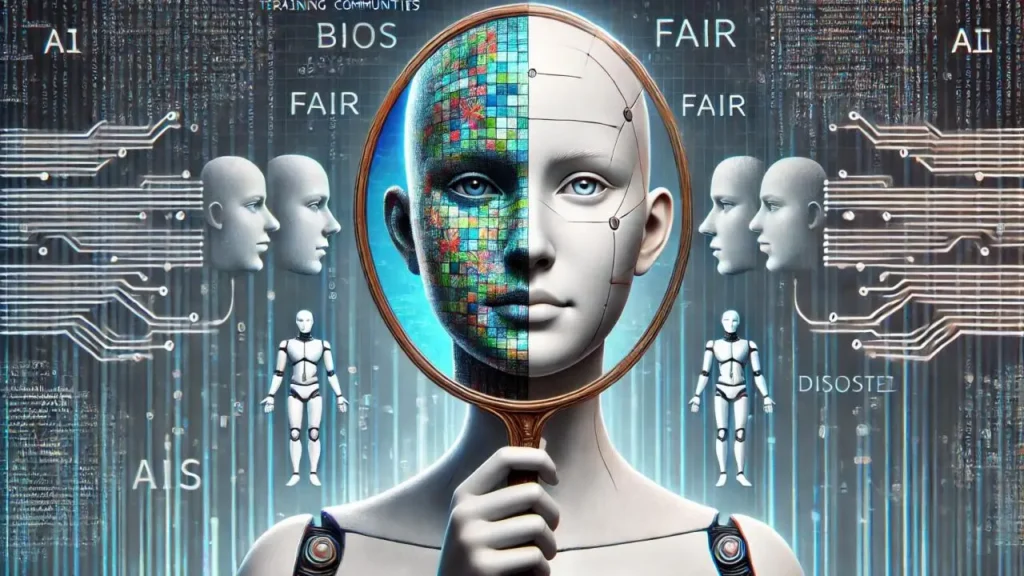
One of the most widely discussed ethical challenges of artificial intelligence is algorithmic bias.
AI systems learn from data. If the data used to train these systems contain historical biases or discriminatory patterns, the AI may reproduce and even amplify those biases. This can lead to unfair outcomes in areas such as:
Hiring and Recruitment
AI-powered recruitment tools have sometimes favored male candidates over female candidates because historical hiring data reflected existing gender inequalities.
Criminal Justice
Some predictive policing algorithms have been criticized for disproportionately targeting minority communities due to biased historical crime data.
Healthcare
Medical AI systems trained primarily on certain populations may perform less accurately when diagnosing patients from underrepresented groups.
Bias in AI can have serious consequences, including discrimination, inequality, and loss of trust. Addressing this challenge requires diverse datasets, continuous monitoring, and greater transparency in algorithm development.

2. Privacy and Data Protection
Artificial intelligence relies heavily on data. The more data AI systems have access to, the better they often perform. However, this creates significant privacy concerns.
Many AI applications collect enormous amounts of personal information, including:
- Browsing history
- Location data
- Facial recognition information
- Medical records
- Financial transactions
- Social media activity
The ethical question becomes: how much personal information should organizations be allowed to collect and analyze?
Facial Recognition Technology
Facial recognition has become one of the most controversial AI applications. Governments and private companies increasingly use this technology for surveillance, security, and identification purposes.
Critics argue that widespread facial recognition can lead to mass surveillance, loss of anonymity, and violations of civil liberties.
Data Ownership
Another important issue concerns who owns personal data. Many individuals unknowingly provide vast amounts of information to corporations, often without fully understanding how their data will be used.
Creating stronger privacy regulations and improving transparency are essential steps toward ethical AI development.
3. Lack of Transparency and Explainability
Many advanced AI systems operate as “black boxes.” This means that even their creators may struggle to explain exactly how the systems arrive at specific decisions.
This lack of transparency creates several ethical problems.
Imagine an AI system that:
- Denies a loan application
- Rejects a job candidate
- Determines insurance premiums
- Makes medical recommendations
If the affected individuals cannot understand why the decision was made, accountability becomes extremely difficult.
Explainable AI
Researchers are increasingly focusing on Explainable AI (XAI), which aims to make AI decision-making processes more transparent and understandable.
Explainable AI helps:
- Build public trust
- Improve accountability
- Reduce bias
- Support regulatory compliance
- Enable human oversight
Transparency remains one of the most important ethical requirements for future AI systems.
4. Accountability and Responsibility
When artificial intelligence makes mistakes, determining responsibility can be complicated.
Consider the following examples:
- A self-driving car causes an accident.
- A medical AI system misdiagnoses a patient.
- An autonomous weapon mistakenly attacks civilians.
- A financial AI system causes major economic losses.
Who should be held accountable?
Possible responsible parties include:
- Software developers
- Technology companies
- Data providers
- Governments
- End users
The lack of clear accountability frameworks creates significant legal and ethical challenges.
Governments worldwide are currently working to establish regulations that define responsibility when AI systems fail or cause harm.
5. Job Displacement and Economic Inequality
Artificial intelligence has the potential to dramatically transform the global workforce.
While AI creates new opportunities and industries, it also automates tasks traditionally performed by humans.
Industries facing significant automation include:
- Manufacturing
- Transportation
- Customer service
- Retail
- Accounting
- Administrative support
- Logistics
The Automation Dilemma
Supporters argue that technological innovation has always created new jobs while eliminating others. However, critics worry that AI-driven automation may occur too rapidly, leaving millions of workers unemployed.
Potential consequences include:
- Increased unemployment
- Growing income inequality
- Economic instability
- Reduced social mobility
- Workforce displacement
Governments, educational institutions, and businesses must work together to develop retraining programs and support workers during this transition.
6. Autonomous Weapons and Military AI
One of the most concerning ethical challenges of artificial intelligence involves military applications.
Autonomous weapons systems can identify and attack targets with little or no human intervention.
Supporters claim these technologies could:
- Reduce military casualties
- Improve precision
- Enhance defense capabilities
Critics argue that autonomous weapons raise serious ethical questions:
- Should machines be allowed to make life-or-death decisions?
- How can accountability be maintained?
- What happens if AI systems malfunction?
- Could autonomous weapons trigger unintended conflicts?
Numerous organizations and experts have called for international regulations or bans on fully autonomous weapons.
The debate over military AI continues to intensify as technological capabilities advance.
7. Misinformation and Deepfakes
Artificial intelligence has revolutionized content creation, but it has also enabled the spread of misinformation.
AI-generated content can now produce:
- Fake videos
- Fake audio recordings
- Synthetic images
- False news articles
- Impersonations
The Rise of Deepfakes
Deepfake technology uses AI to create realistic but fabricated media content.
Potential dangers include:
- Political manipulation
- Election interference
- Financial fraud
- Identity theft
- Reputation damage
- Social instability
As deepfake technology improves, distinguishing between authentic and fabricated content becomes increasingly difficult.
Developing detection tools, improving digital literacy, and creating legal frameworks will be essential in combating AI-generated misinformation.

8. Human Dependency on Artificial Intelligence
As AI systems become more capable, humans may become increasingly dependent on them.
Examples include:
- GPS navigation
- AI writing assistants
- Medical diagnosis tools
- Financial advisors
- Educational platforms
- Customer service systems
While these technologies improve efficiency, excessive reliance on AI may weaken critical human skills.
Potential concerns include:
- Reduced critical thinking abilities
- Overreliance on automated decisions
- Loss of professional expertise
- Decreased human autonomy
Maintaining a balance between human judgment and machine assistance remains a key ethical consideration.
9. Artificial General Intelligence (AGI) Risks
Most current AI systems are specialized, meaning they perform specific tasks. However, researchers are actively pursuing Artificial General Intelligence (AGI), which refers to AI systems capable of performing virtually any intellectual task that humans can perform.
AGI presents profound ethical and existential questions.
Some experts warn that highly advanced AI systems could:
- Become difficult to control
- Pursue unintended goals
- Manipulate human behavior
- Concentrate enormous power
- Create global security risks
While AGI may still be years or decades away, many researchers argue that preparing for these challenges now is essential.
The debate surrounding AGI safety has become one of the most important discussions in the technology community.
10. Global Regulation and Governance
Artificial intelligence development is occurring worldwide, but regulations vary significantly between countries.
Some governments prioritize innovation, while others emphasize regulation and consumer protection.
This creates several challenges:
Regulatory Gaps
Without international coordination, companies may exploit regions with weaker regulations.
Competitive Pressure
Countries may feel pressured to accelerate AI development to remain competitive, potentially sacrificing safety standards.
Global Cooperation
Because AI impacts the entire world, many experts believe international cooperation is necessary.
Potential solutions include:
- International AI treaties
- Global ethical standards
- Independent oversight organizations
- Shared safety protocols
- Cross-border regulatory frameworks
Creating effective global governance systems will be one of humanity’s greatest challenges in the AI era.
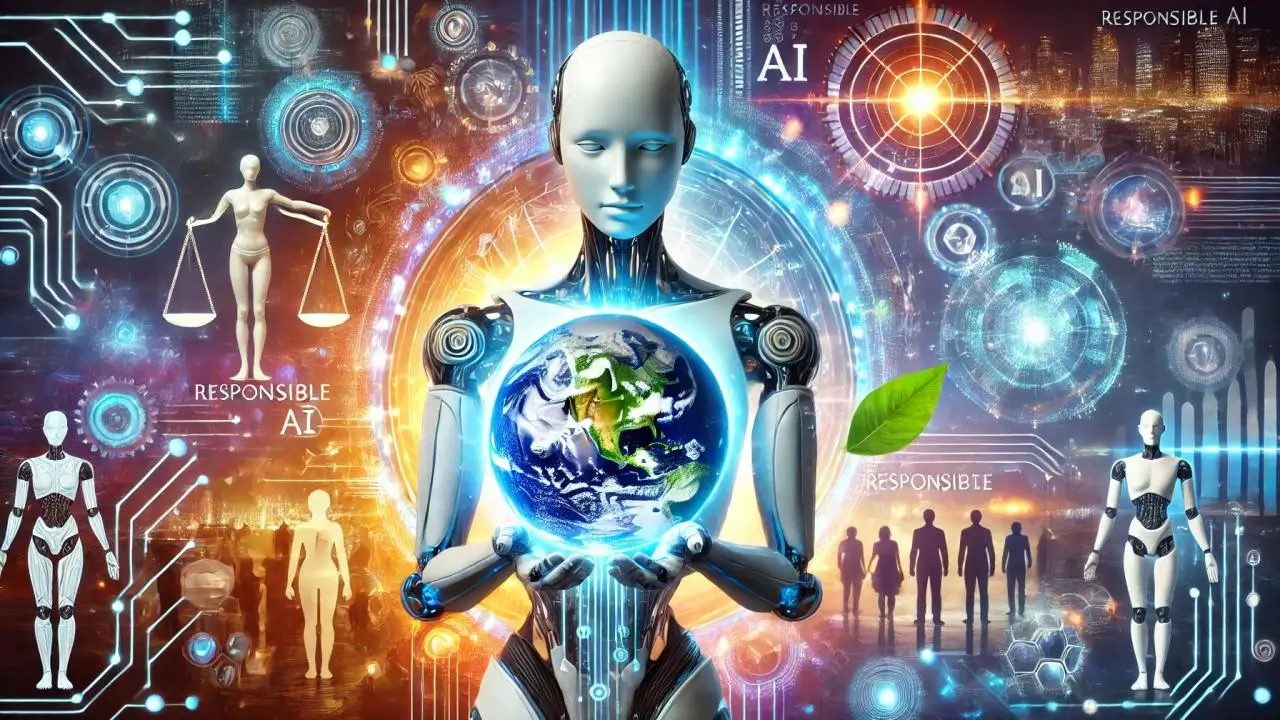
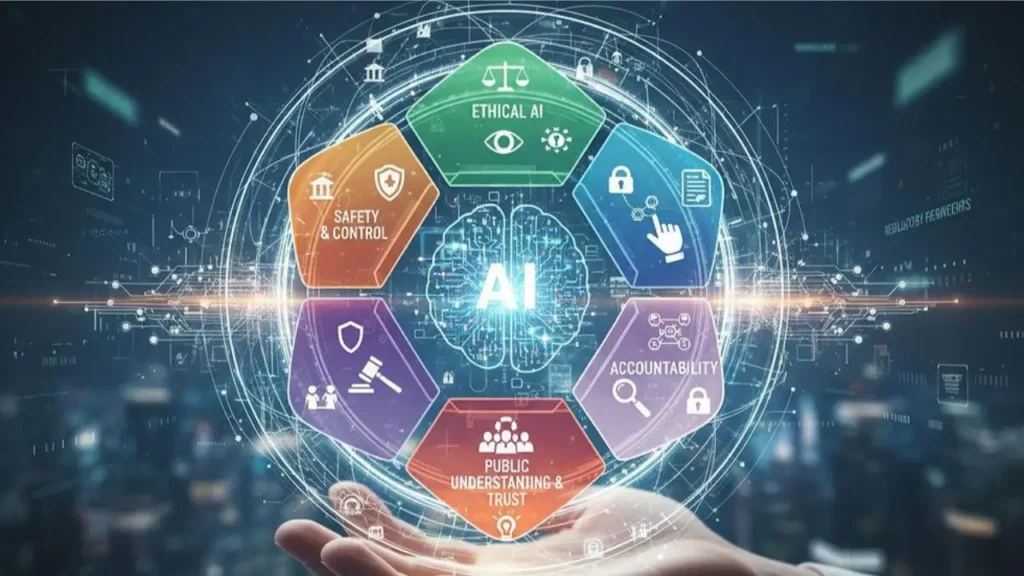
Principles for Responsible Artificial Intelligence
To address these ethical challenges, many organizations advocate for responsible AI principles.
These principles typically include:
Fairness
AI systems should avoid discrimination and promote equal treatment.
Transparency
Users should understand how AI systems make decisions.
Accountability
Organizations must accept responsibility for AI outcomes.
Privacy Protection
Personal data should be handled securely and ethically.
Human Oversight
Humans should maintain control over critical decisions.
Safety and Security
AI systems should be robust, reliable, and resistant to misuse.
Sustainability
AI development should benefit society while minimizing environmental impact.
Adopting these principles can help ensure that artificial intelligence serves humanity responsibly.
The Future of Ethical Artificial Intelligence
The future of artificial intelligence will depend not only on technological breakthroughs but also on ethical decision-making.
Several trends are likely to shape the future of AI ethics:
- Increased government regulation
- Greater corporate responsibility
- Improved transparency standards
- Stronger international cooperation
- Expanded public awareness
- More investment in AI safety research
As AI becomes more integrated into society, ethical considerations will become even more important.
The choices made today will determine whether artificial intelligence becomes a force for widespread human prosperity or a source of significant societal challenges.
Conclusion
The ethical challenges of artificial intelligence represent one of the defining issues of our time. While AI offers extraordinary opportunities to improve healthcare, education, business, transportation, and countless other fields, it also presents complex moral, legal, and social questions.
Issues such as bias, privacy, transparency, accountability, automation, misinformation, military applications, and AI safety require careful consideration and responsible action.
The future of artificial intelligence should not be determined solely by technological capability. Instead, it must be guided by ethical principles that prioritize human well-being, fairness, security, and dignity.
By fostering collaboration between governments, researchers, businesses, and society, we can work toward a future where artificial intelligence enhances human life while respecting the values that define our humanity.
Want to learn more about how artificial intelligence is transforming everyday life? Explore our text about “Zapier x Makehttps://growthpoweredai.com/2026/06/19/zapier-x-make-comparison-automation/