
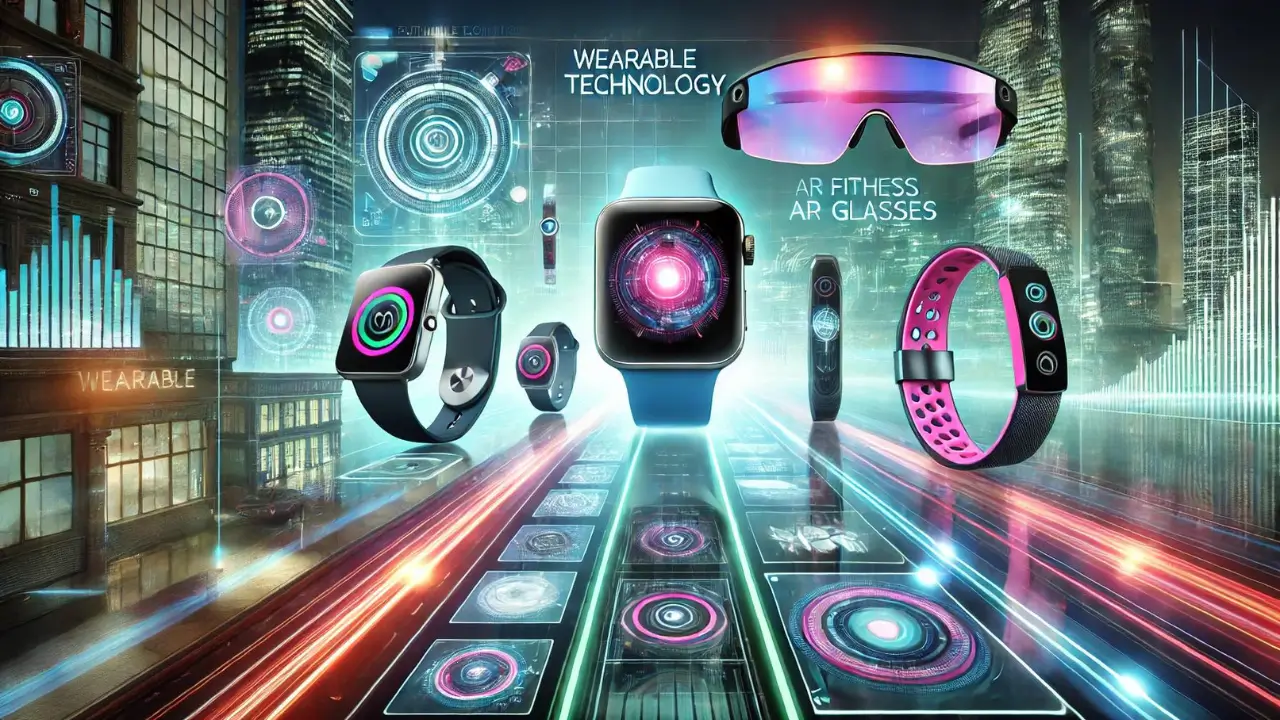
Artificial intelligence has transformed countless aspects of modern life, from smartphones and smart homes to autonomous vehicles and advanced robotics. One of the most exciting and rapidly evolving sectors of this technological revolution is AI-powered wearables. These intelligent devices combine artificial intelligence, sensors, connectivity, and data analytics to create personalized experiences that can improve health, productivity, communication, entertainment, and everyday living.
What once began with simple fitness trackers capable of counting steps has evolved into sophisticated wearable ecosystems that monitor heart health, analyze sleep patterns, translate languages in real time, detect diseases, and even predict potential health emergencies before symptoms become obvious.
As artificial intelligence becomes increasingly advanced, wearable devices are becoming more intelligent, more accurate, and more integrated into our daily routines. Experts predict that the global wearable technology market will continue growing rapidly over the next decade, fundamentally changing how humans interact with technology.
In this comprehensive guide, we’ll explore the fascinating world of AI-powered wearables, examine the latest innovations, discuss their benefits and challenges, and discover how these revolutionary devices are shaping the future.
What Are AI-Powered Wearables?
AI-powered wearables are electronic devices worn on the body that utilize artificial intelligence algorithms to collect, analyze, and interpret data in real time. Unlike traditional wearable devices that simply record information, AI wearables can learn user behavior patterns, make predictions, provide recommendations, and adapt their performance over time.
These devices typically incorporate:
- Artificial intelligence algorithms
- Machine learning capabilities
- Advanced sensors
- Wireless connectivity
- Cloud computing
- Real-time analytics
- Personalized recommendations
Examples of AI-powered wearables include:
- Smartwatches
- Fitness trackers
- Smart glasses
- Smart rings
- Health monitoring patches
- AI hearing devices
- Brain-computer interfaces
- Smart clothing
- Augmented reality headsets
The primary advantage of AI integration is that these devices become smarter with continued use, offering increasingly personalized experiences.
The Evolution of Wearable Technology
Wearable technology has evolved dramatically over the past several decades.
Early Wearables
The first wearable technologies were relatively simple devices, including:
- Digital watches
- Pedometers
- Hearing aids
- Heart rate monitors
These devices offered limited functionality and stored minimal data.
The Smartphone Era
The rise of smartphones accelerated wearable innovation by providing:
- Internet connectivity
- App ecosystems
- Cloud storage
- Mobile processing power
This enabled the development of fitness bands and early smartwatches.
The AI Revolution
Artificial intelligence introduced capabilities such as:
- Predictive analytics
- Pattern recognition
- Personalized recommendations
- Natural language processing
- Computer vision
- Health forecasting
Today’s AI-powered wearables act less like gadgets and more like personal assistants worn on the body.
Why AI Is Transforming Wearable Technology
Artificial intelligence provides several capabilities that traditional software cannot deliver.
Personalized Experiences
AI systems analyze user behavior and continuously adapt to individual preferences, including:
- Sleep habits
- Exercise routines
- Stress levels
- Productivity patterns
- Health conditions
This creates highly customized experiences unique to each user.
Predictive Analytics
Rather than simply displaying information, AI wearables can predict:
- Potential health risks
- Fatigue levels
- Exercise performance
- Stress episodes
- Sleep quality
- Recovery times
Predictive analysis allows users to make proactive decisions.
Real-Time Decision Making
Modern AI wearables process enormous amounts of sensor data instantly, enabling:
- Fall detection
- Emergency alerts
- Heart rhythm monitoring
- Blood oxygen analysis
- Navigation assistance
- Language translation
Real-time intelligence dramatically improves usefulness.
1. AI Smartwatches Are Becoming Personal Health Assistants
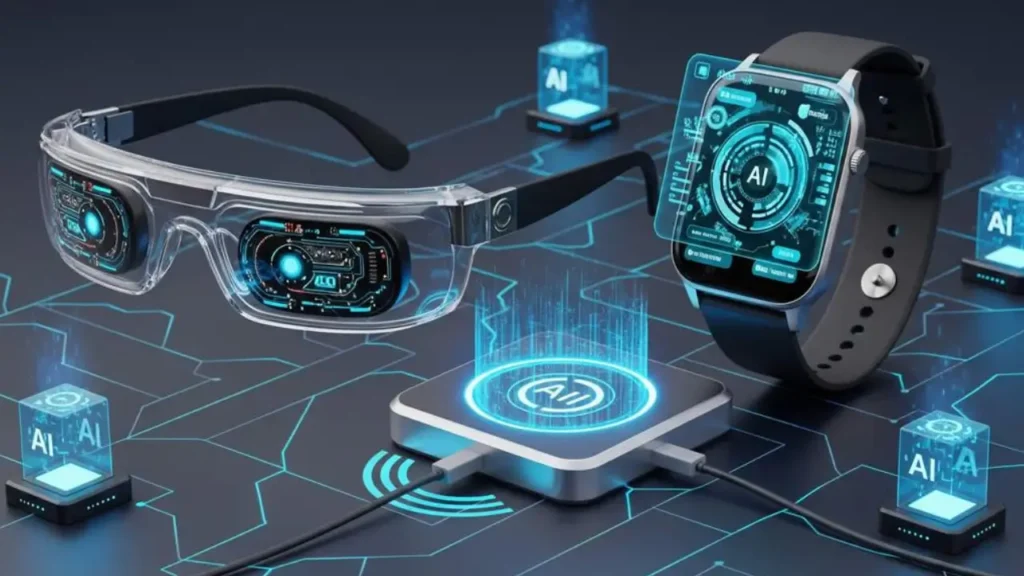
Smartwatches have become the flagship category of AI-powered wearables.
Modern AI smartwatches can monitor:
- Heart rate
- Blood oxygen
- Sleep cycles
- Physical activity
- Stress levels
- Body temperature
- ECG readings
- Fall detection
Advanced machine learning algorithms identify patterns that humans may overlook.
Predictive Health Monitoring
AI can analyze long-term health trends and identify potential concerns such as:
- Irregular heart rhythms
- Sleep disorders
- Elevated stress levels
- Cardiovascular risk factors
- Early illness indicators
Instead of reacting to problems, users can take preventative action.
AI Coaching Features
Many wearables now provide personalized coaching that adapts based on:
- Fitness goals
- Recovery metrics
- Historical performance
- Sleep quality
- Stress indicators
This creates an individualized health experience.
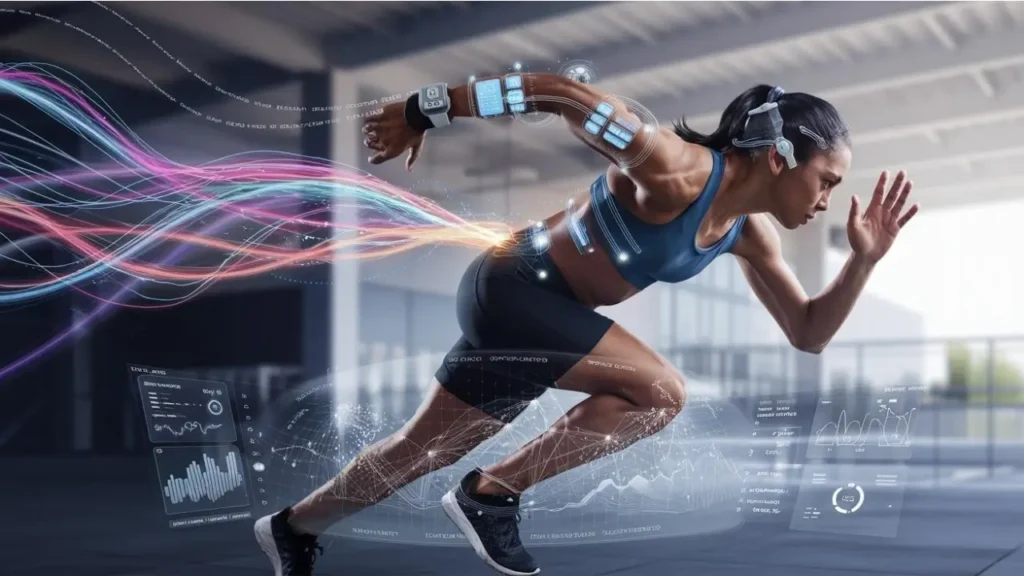
2. AI Fitness Trackers Are Revolutionizing Exercise
Fitness trackers have evolved far beyond step counters.
Modern AI fitness wearables analyze:
- Exercise intensity
- Recovery time
- Muscle fatigue
- Running mechanics
- Cycling performance
- Heart rate variability
- Oxygen consumption
Personalized Training Programs
Artificial intelligence creates workout recommendations tailored to:
- Age
- Fitness level
- Medical history
- Goals
- Previous performance
This eliminates much of the guesswork traditionally involved in fitness training.
Injury Prevention
AI systems can identify warning signs such as:
- Overtraining
- Improper biomechanics
- Insufficient recovery
- Elevated stress
This helps athletes avoid injuries and improve performance safely.
3. AI Smart Glasses Are Transforming Human Interaction
Smart glasses represent one of the most exciting categories of wearable technology.
AI-powered smart glasses can provide:
- Real-time language translation
- Object recognition
- Facial recognition
- Navigation assistance
- Visual search
- Audio transcription
- Augmented reality overlays
Real-Time Translation
Advanced AI translation systems can translate spoken conversations almost instantly, reducing language barriers across the world.
Accessibility Improvements
Smart glasses are increasingly helping individuals with visual impairments by:
- Reading text aloud
- Identifying objects
- Recognizing faces
- Providing navigation guidance
These capabilities significantly improve independence and accessibility.
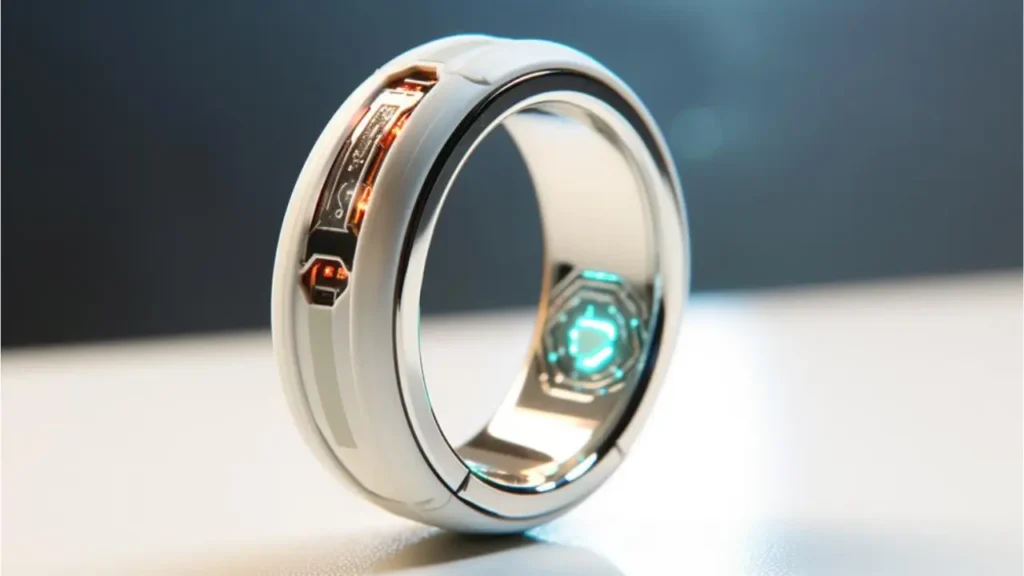
4. Smart Rings Are Becoming Powerful Health Tools
Smart rings combine advanced sensors with discreet design.
These devices monitor:
- Heart rate
- Blood oxygen
- Sleep quality
- Body temperature
- Activity levels
- Stress indicators
Continuous Monitoring
Unlike many larger devices, smart rings are comfortable enough for continuous wear, allowing for:
- 24-hour monitoring
- Improved data accuracy
- Long-term trend analysis
AI Sleep Analysis
Artificial intelligence can identify:
- Sleep stages
- Sleep efficiency
- Recovery quality
- Potential sleep disorders
Better sleep analysis leads to improved overall wellness.
5. AI Wearables Are Transforming Healthcare
Healthcare represents perhaps the most significant application of AI-powered wearables.
Remote Patient Monitoring
Doctors can remotely monitor patients through wearable devices that track:
- Heart function
- Blood pressure
- Oxygen levels
- Glucose levels
- Respiratory health
This reduces hospital visits while improving patient outcomes.
Early Disease Detection
Artificial intelligence excels at identifying subtle patterns associated with diseases.
Researchers are developing wearables capable of detecting:
- Heart disease
- Diabetes
- Parkinson’s disease
- Sleep apnea
- Respiratory infections
- Mental health disorders
Early detection can dramatically improve treatment success.
6. AI Wearables Are Enhancing Workplace Productivity
Businesses are increasingly adopting wearable technologies.
Examples include:
- Smart safety helmets
- AI-powered earbuds
- Augmented reality glasses
- Productivity monitoring devices
Industrial Applications
Workers can receive:
- Safety alerts
- Equipment instructions
- Navigation guidance
- Hazard detection warnings
This improves both safety and efficiency.
Productivity Optimization
AI systems analyze work patterns to identify:
- Focus periods
- Fatigue levels
- Stress indicators
- Productivity trends
Organizations can use these insights to improve employee wellbeing.
7. AI Wearables Are Transforming Mental Health Monitoring
Mental health applications represent one of the fastest-growing wearable sectors.
AI wearables can monitor indicators associated with:
- Anxiety
- Depression
- Stress
- Emotional wellbeing
- Burnout
Stress Detection
Sensors can identify physiological markers including:
- Heart rate variability
- Skin conductivity
- Breathing patterns
- Sleep disruptions
AI models then provide interventions such as:
- Meditation exercises
- Breathing guidance
- Relaxation techniques
- Behavioral recommendations
Personalized Mental Health Support
Artificial intelligence enables continuous emotional wellness monitoring, providing support precisely when users need it.
8. Brain-Computer Interfaces Are Becoming Reality
One of the most futuristic wearable technologies involves brain-computer interfaces (BCIs).
These devices analyze brain signals and enable:
- Device control
- Communication assistance
- Medical rehabilitation
- Cognitive enhancement
- Neurofeedback training
Medical Applications
Brain-computer interfaces may help patients suffering from:
- Paralysis
- Stroke
- Neurodegenerative diseases
- Communication disorders
AI algorithms make these systems increasingly accurate and practical.
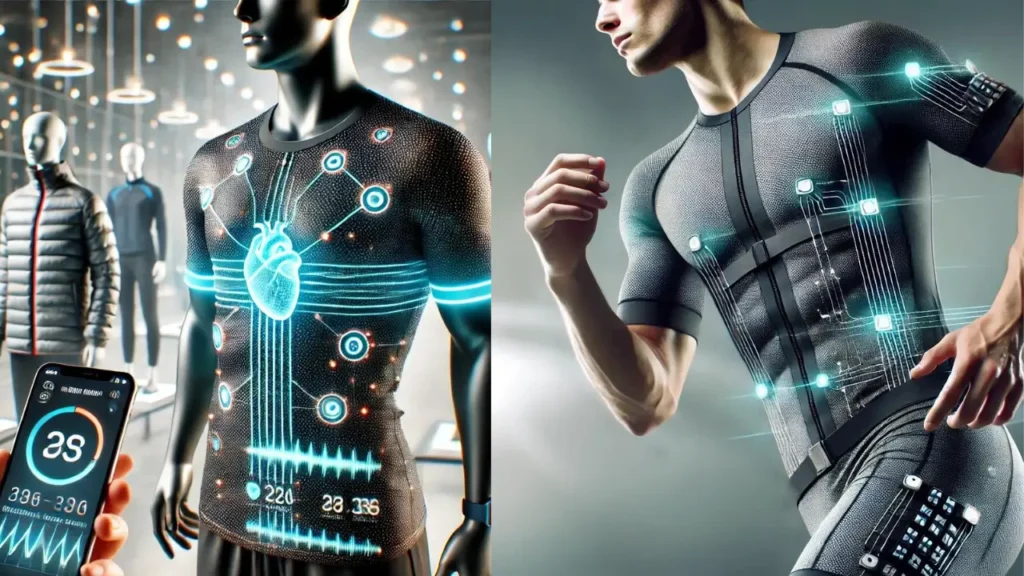
9. AI-Powered Smart Clothing Is Emerging
Smart clothing integrates sensors directly into fabrics.
Examples include:
- Smart shirts
- Athletic wear
- Medical garments
- Military uniforms
These garments can monitor:
- Heart activity
- Breathing
- Body temperature
- Movement patterns
- Muscle activity
Athletic Performance
Professional athletes increasingly use smart clothing to:
- Optimize training
- Reduce injury risk
- Improve recovery
- Analyze biomechanics
Healthcare Monitoring
Smart clothing may eventually replace many traditional medical monitoring devices.
Benefits of AI-Powered Wearables
The advantages of AI-powered wearables include:
Improved Health Monitoring
Continuous monitoring provides earlier detection of health issues.
Personalized Experiences
AI learns user preferences and adapts accordingly.
Increased Productivity
Wearables streamline communication and workflow.
Better Fitness Performance
AI coaching improves exercise efficiency.
Enhanced Accessibility
Wearables empower individuals with disabilities.
Predictive Healthcare
Early intervention can prevent serious health complications.
Challenges Facing AI Wearables
Despite their benefits, AI-powered wearables face several challenges.
Privacy Concerns
Wearables collect highly sensitive personal information, including:
- Medical data
- Location information
- Behavioral patterns
- Biometric identifiers
Protecting this information remains a major concern.
Battery Limitations
Advanced AI processing requires substantial power, creating battery-life challenges.
Accuracy Issues
While AI accuracy continues improving, false positives and incorrect predictions remain possible.
Ethical Questions
Questions surrounding:
- Data ownership
- Surveillance
- Consent
- Algorithmic bias
will continue shaping the future of wearable technology.
The Future of AI-Powered Wearables
The next generation of AI wearables will likely include:
- Non-invasive glucose monitoring
- Emotional intelligence systems
- Advanced brain interfaces
- AI health diagnostics
- Fully immersive augmented reality
- Personalized digital assistants
- Neural interaction devices
Future wearables may eventually become nearly invisible while providing constant intelligent assistance.
Artificial intelligence will continue pushing wearable technology far beyond today’s capabilities.
Will AI Wearables Replace Smartphones?
Many technology experts believe AI-powered wearables may eventually reduce our reliance on smartphones.
Future devices could provide:
- Voice-based interfaces
- Augmented reality displays
- Gesture controls
- Neural inputs
- Ambient computing experiences
Instead of pulling out a phone, users may simply interact with intelligent systems seamlessly integrated into their environment.
While smartphones are unlikely to disappear entirely in the near future, AI-powered wearables are increasingly becoming their natural successor.
Conclusion
AI-powered wearables represent one of the most exciting technological revolutions of our time. From smartwatches and fitness trackers to brain-computer interfaces and intelligent clothing, these devices are transforming healthcare, productivity, communication, and daily life.
As artificial intelligence continues to advance, wearable devices will become even more personalized, predictive, and powerful. They will help us live healthier lives, work more efficiently, communicate more effectively, and interact with technology in entirely new ways.
The future of technology may not be something we hold in our hands—it may be something we wear every day.
Frequently Asked Questions About AI-Powered Wearables
What are AI-powered wearables?
AI-powered wearables are devices worn on the body that use artificial intelligence to analyze data, provide recommendations, and adapt to user behavior.
What is the most popular AI wearable today?
Smartwatches remain the most widely adopted AI-powered wearable devices.
Can AI wearables detect diseases?
Some AI wearables can identify patterns associated with certain diseases and health conditions, although they do not replace professional medical diagnosis.
Are AI wearables safe?
Most AI wearables are generally safe, but users should consider privacy, security, and data protection issues.
Will AI wearables replace smartphones?
While smartphones will likely remain important, many experts believe wearable technologies will increasingly handle tasks traditionally performed by phones.