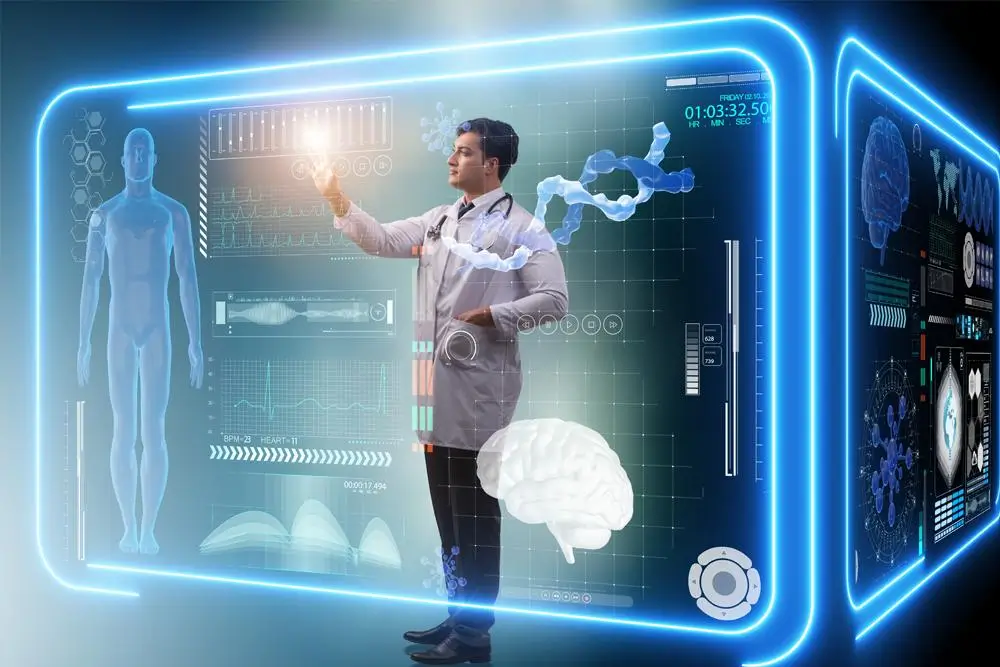
Artificial intelligence is rapidly becoming one of the most transformative technologies in modern medicine. From diagnosing diseases with remarkable accuracy to assisting surgeons during complex procedures, AI in healthcare is reshaping the way doctors, hospitals, researchers, and patients approach medical care.
Healthcare systems worldwide face enormous challenges, including rising costs, physician shortages, aging populations, and increasing patient demands. Artificial intelligence offers powerful solutions to many of these problems by analyzing massive amounts of medical data, identifying patterns invisible to humans, and supporting healthcare professionals in making faster and more accurate decisions.
What once seemed like science fiction has become reality. Today, AI algorithms can detect cancer from medical images, predict patient deterioration before symptoms appear, accelerate drug discovery, personalize treatment plans, and even provide virtual healthcare assistance around the clock.
In this article, we’ll explore how AI in healthcare is transforming medicine, the technologies driving this revolution, the benefits and challenges involved, and what the future may hold for patients and medical professionals alike.
What Is AI in Healthcare?
Artificial intelligence in healthcare refers to the use of computer systems that can simulate human intelligence processes to assist with medical tasks. These systems rely on technologies such as:
- Machine learning
- Deep learning
- Natural language processing
- Computer vision
- Predictive analytics
- Generative AI
Unlike traditional software that follows fixed instructions, AI systems can learn from data, improve over time, and identify complex patterns that humans might miss.
Healthcare organizations use AI to support numerous functions, including:
- Disease diagnosis
- Medical imaging analysis
- Patient monitoring
- Drug discovery
- Hospital management
- Personalized treatment
- Clinical decision support
- Medical research
The global AI healthcare market continues to grow rapidly, with experts predicting that artificial intelligence will become a standard component of healthcare systems worldwide during the next decade.
Why AI Is Becoming Essential in Modern Medicine
Healthcare generates enormous amounts of information every day. Medical records, laboratory results, imaging scans, wearable devices, genomic sequencing, and research studies create vast quantities of data that human professionals alone cannot efficiently process.
Artificial intelligence helps solve this problem by:
- Processing millions of data points rapidly
- Identifying hidden patterns
- Reducing diagnostic errors
- Supporting physicians’ decisions
- Automating repetitive tasks
- Improving patient outcomes
- Lowering operational costs
As healthcare becomes increasingly data-driven, AI is transitioning from an experimental technology to an essential medical tool.
1. AI-Powered Medical Diagnosis
One of the most significant applications of AI in healthcare is disease diagnosis.
Artificial intelligence systems can analyze patient information, laboratory tests, imaging studies, and symptoms to help doctors identify illnesses more accurately and quickly.
Examples of AI diagnosis include:
- Cancer detection
- Heart disease prediction
- Stroke identification
- Diabetes diagnosis
- Neurological disorders
- Rare disease detection
AI and Cancer Detection
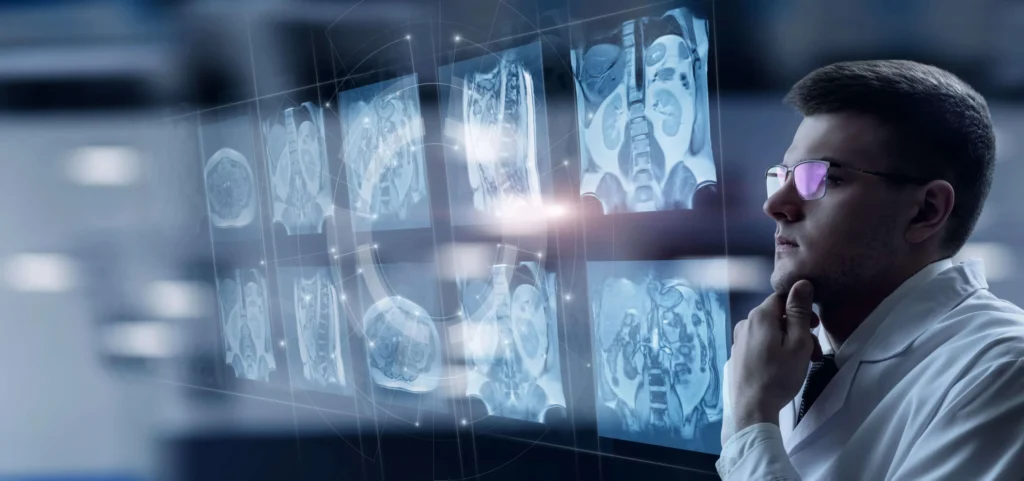
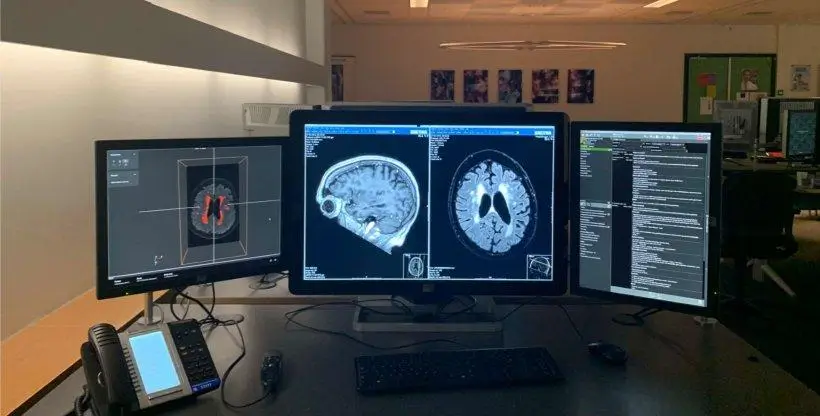
Researchers have developed AI models capable of detecting certain cancers with accuracy levels comparable to or sometimes exceeding human specialists. These systems analyze mammograms, CT scans, MRI images, and pathology slides to identify abnormalities that may otherwise go unnoticed.
Early detection significantly improves treatment outcomes, making AI a powerful tool in oncology.
2. Medical Imaging and Computer Vision
Medical imaging has become one of the most successful areas of artificial intelligence implementation.
AI-powered computer vision systems analyze:
- X-rays
- CT scans
- MRI scans
- Ultrasounds
- PET scans
- Retinal images
Benefits of AI imaging include:
- Faster image interpretation
- Reduced workload for radiologists
- Improved diagnostic accuracy
- Early disease detection
- Lower healthcare costs
For example, AI algorithms can identify pneumonia, lung cancer, fractures, and retinal diseases within seconds, providing valuable assistance to medical professionals.
AI in Ophthalmology
Artificial intelligence has demonstrated exceptional performance in detecting diabetic retinopathy and other eye diseases using retinal scans, potentially preventing blindness through earlier intervention.
3. Personalized Medicine and Precision Healthcare
Every patient is unique. Traditional medicine often uses standardized treatments that may not work equally well for everyone.
AI enables the development of personalized medicine by analyzing:
- Genetic information
- Medical history
- Lifestyle factors
- Environmental influences
- Treatment responses
How AI Personalizes Healthcare
Artificial intelligence can help doctors determine:
- Which medications will work best
- Optimal treatment dosages
- Potential side effects
- Disease risk factors
- Personalized prevention strategies
This approach allows healthcare providers to move away from “one-size-fits-all” medicine toward precision healthcare tailored specifically to each individual patient.
4. AI Accelerates Drug Discovery
Developing new medications traditionally takes over a decade and costs billions of dollars.
Artificial intelligence is dramatically reducing both the time and cost involved in drug discovery.
AI can assist researchers by:
- Identifying promising drug candidates
- Predicting molecular behavior
- Simulating clinical outcomes
- Discovering new therapeutic targets
- Repurposing existing medications
The Impact on Pharmaceutical Research
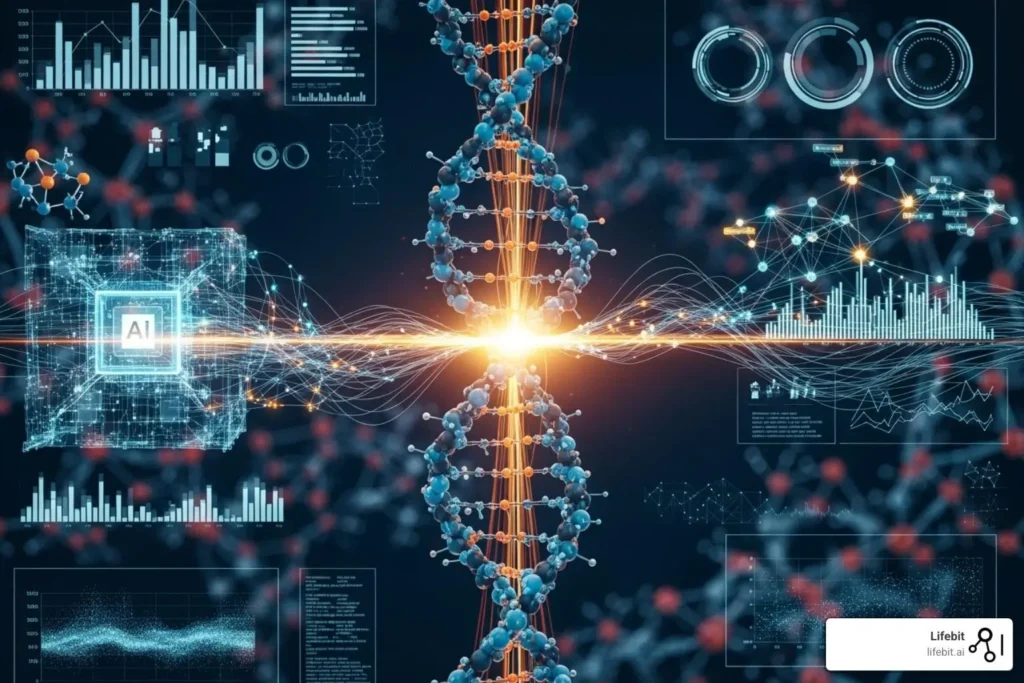
AI algorithms can analyze millions of chemical compounds within days, a process that would take human researchers years to complete.
This acceleration became especially visible during global health emergencies, where AI helped researchers identify potential treatments and vaccine candidates more rapidly.
5. Virtual Health Assistants and AI Chatbots
Artificial intelligence-powered virtual assistants are transforming patient communication and healthcare accessibility.
These systems can:
- Schedule appointments
- Answer medical questions
- Provide medication reminders
- Monitor symptoms
- Assist with chronic disease management
- Offer mental health support
Benefits for Patients
Virtual healthcare assistants provide:
- 24/7 availability
- Immediate responses
- Lower healthcare costs
- Increased accessibility
- Better patient engagement
While AI assistants do not replace physicians, they improve healthcare efficiency and help patients manage their health more effectively.
6. AI in Robotic Surgery
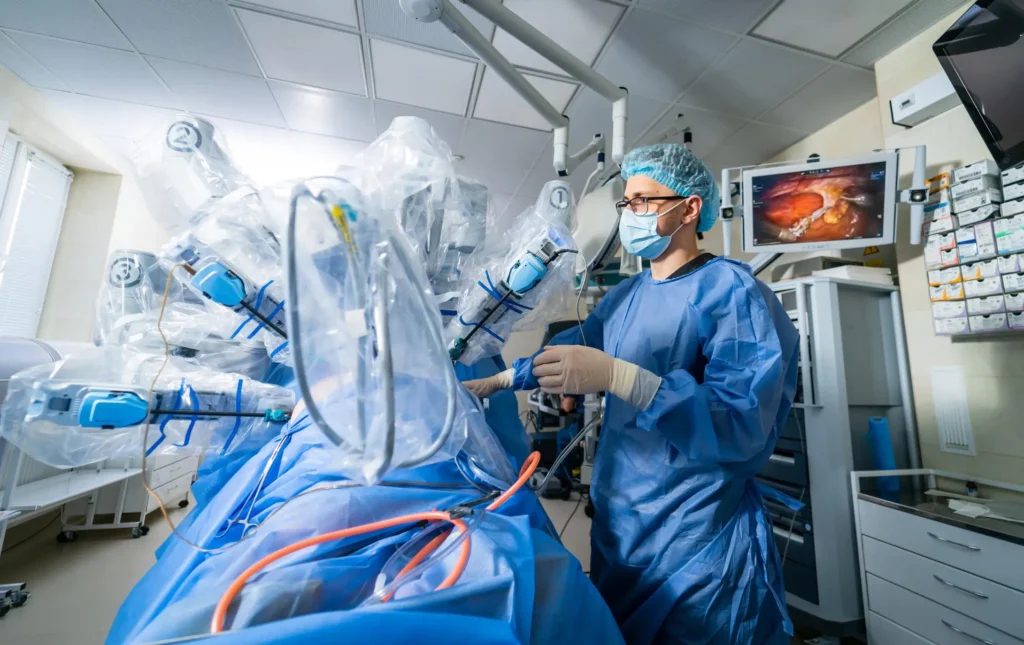
Robotic-assisted surgery represents one of the most advanced applications of artificial intelligence in medicine.
Modern surgical robots use AI technologies to support surgeons by providing:
- Greater precision
- Enhanced visualization
- Tremor reduction
- Improved accuracy
- Better surgical planning
Advantages of AI-Assisted Surgery
Benefits often include:
- Smaller incisions
- Less blood loss
- Reduced pain
- Faster recovery
- Lower complication rates
- Shorter hospital stays
Although surgeons remain fully in control, AI-powered systems significantly improve surgical performance and patient outcomes.
7. Predictive Analytics and Early Disease Prevention
Artificial intelligence excels at identifying patterns and predicting future events.
In healthcare, predictive analytics helps identify patients at risk before serious medical problems develop.
AI predictive models can forecast:
- Heart attacks
- Sepsis
- Hospital readmissions
- Stroke risk
- Diabetes complications
- Mental health crises
Preventive Medicine Through AI
By recognizing warning signs earlier, healthcare providers can intervene proactively rather than reactively.
This shift toward preventive healthcare could dramatically improve public health outcomes while reducing medical costs.
8. Remote Patient Monitoring and Wearable Technology
The growth of wearable technology has created enormous opportunities for AI-powered healthcare monitoring.
Devices such as smartwatches and wearable sensors continuously collect health information, including:
- Heart rate
- Blood pressure
- Blood oxygen levels
- Sleep patterns
- Physical activity
- Glucose levels
How AI Uses Wearable Data
Artificial intelligence analyzes this continuous stream of data to:
- Detect abnormalities
- Alert physicians
- Predict medical events
- Monitor chronic diseases
- Encourage healthier behaviors
Remote monitoring improves patient care while reducing unnecessary hospital visits.
9. AI Improves Hospital Operations
Artificial intelligence isn’t only transforming patient care—it also improves healthcare administration and hospital management.
Hospitals use AI to optimize:
- Staffing schedules
- Patient flow
- Bed management
- Resource allocation
- Billing systems
- Supply chain management
Operational Benefits Include:
- Reduced wait times
- Lower costs
- Improved efficiency
- Better patient experiences
- Increased staff productivity
Administrative automation allows healthcare professionals to spend more time focusing on patients rather than paperwork.
10. AI in Mental Health Care
Mental health represents another promising area for artificial intelligence.
AI systems can support mental healthcare by:
- Screening for depression
- Identifying anxiety disorders
- Monitoring behavioral changes
- Providing therapeutic support
- Detecting suicide risk factors
AI and Digital Therapy
Some AI applications offer:
- Cognitive behavioral therapy support
- Mood tracking
- Emotional analysis
- Stress management coaching
- Mental health monitoring
While AI cannot replace licensed mental health professionals, it can expand access to care and provide additional support resources.
Challenges and Risks of AI in Healthcare
Despite its enormous potential, artificial intelligence in healthcare faces several challenges.
Data Privacy Concerns
Healthcare data is highly sensitive. Organizations must ensure:
- Patient confidentiality
- Data security
- Regulatory compliance
- Ethical data usage
Algorithm Bias
AI systems learn from existing data. If that data contains biases, AI may produce unfair or inaccurate results.
Healthcare organizations must continuously monitor and improve AI systems to minimize bias.
Regulatory Challenges
Governments and healthcare regulators continue developing standards for:
- AI safety
- Clinical validation
- Medical liability
- Transparency
- Patient protection
Human Oversight Remains Essential
AI in healthcare should support—not replace—medical professionals.
Doctors, nurses, and healthcare experts remain crucial for:
- Clinical judgment
- Ethical decisions
- Patient communication
- Complex medical cases
- Emotional care
The Future of AI in Healthcare
The future of the ai in healthcare will likely involve even greater integration of artificial intelligence technologies.
Emerging innovations include:
- AI-generated treatment plans
- Digital twins of patients
- Brain-computer interfaces
- Advanced robotic surgery
- Predictive genomics
- Autonomous medical systems
- Personalized AI healthcare assistants
Experts believe that future ai in healthcare systems will become increasingly predictive, preventive, personalized, and efficient.
Rather than replacing doctors, AI will likely become a powerful partner that enhances human expertise and improves patient care worldwide.
Frequently Asked Questions About AI in Healthcare
Is AI replacing doctors?
No. Artificial intelligence is designed to assist healthcare professionals, not replace them. Human expertise, empathy, and clinical judgment remain essential.
Is AI diagnosis accurate?
Many AI systems demonstrate accuracy levels comparable to medical specialists in specific tasks, but they require human oversight.
What are the benefits of AI in healthcare?
Key benefits of the ai in healthcare include:
- Faster diagnosis
- Improved accuracy
- Lower costs
- Personalized treatment
- Better patient outcomes
- Increased efficiency
Is AI healthcare safe?
AI can be safe when properly developed, tested, regulated, and supervised by qualified healthcare professionals.
Conclusion
Artificial intelligence is fundamentally transforming modern medicine. From disease detection and personalized treatment to robotic surgery and drug discovery, AI in healthcare offers enormous opportunities to improve patient outcomes, reduce costs, and increase healthcare accessibility.
While challenges involving privacy, regulation, and ethics remain, the potential benefits of artificial intelligence in medicine are too significant to ignore. As technology continues to advance, healthcare systems worldwide will increasingly rely on AI to deliver smarter, faster, and more personalized care.
The future of medicine is not a choice between humans and artificial intelligence. Instead, it is a future where healthcare professionals and AI work together to create safer, more effective, and more accessible healthcare for everyone.