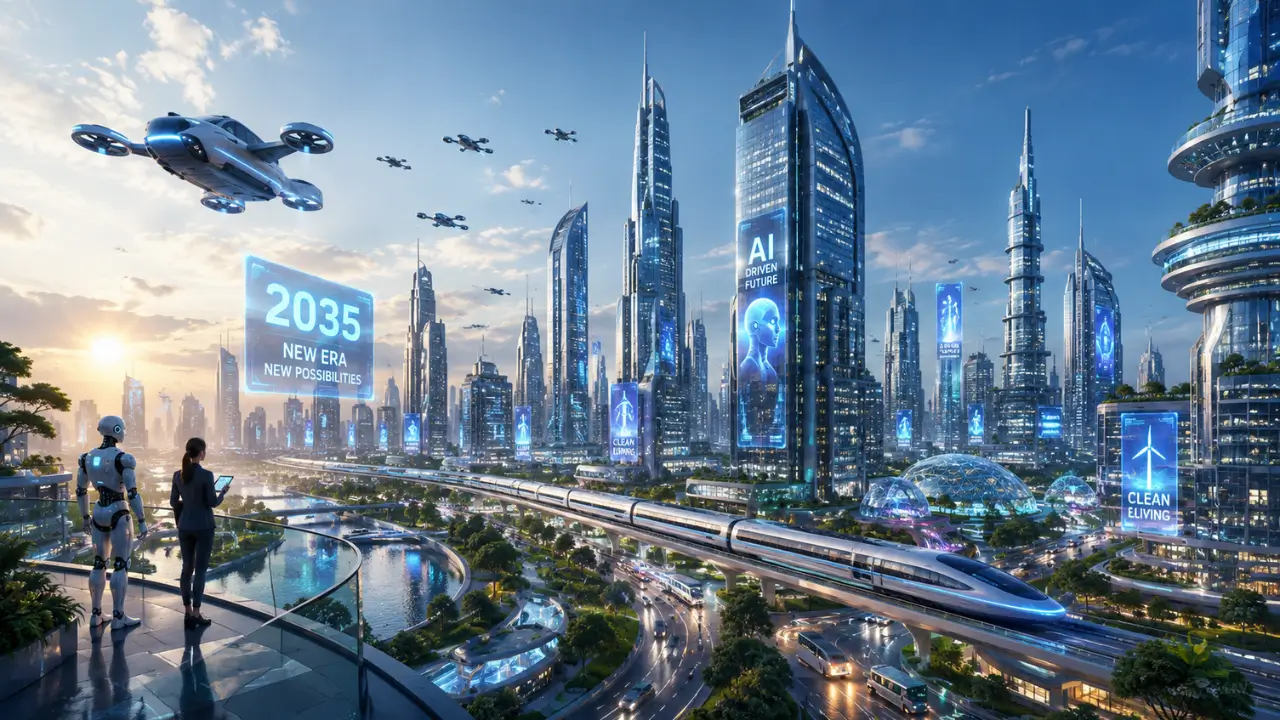
Technology is evolving faster than ever before. Just a decade ago, concepts like generative artificial intelligence, autonomous vehicles, and commercial space tourism seemed like distant dreams. Today, many of these innovations are already becoming part of everyday life. Looking ahead to 2035, experts predict that several breakthrough technologies will dramatically reshape how we work, travel, communicate, receive healthcare, and protect our planet.
The next decade will likely bring advances that rival the Industrial Revolution or the birth of the internet. Artificial intelligence will become more capable, quantum computers could solve problems impossible for today’s machines, robots may work alongside humans in nearly every industry, and biotechnology could help cure diseases once considered untreatable.
In this article, we’ll explore the technologies that will change the world by 2035, how they work, their potential impact, and the challenges society must overcome to ensure these innovations benefit everyone.
Why the Next Decade Will Be Different
Technological progress isn’t simply continuing—it’s accelerating.
Several factors are driving this rapid transformation:
- Massive advances in artificial intelligence
- Increased computing power
- Faster global connectivity
- Growing investment in research
- More affordable sensors and chips
- Improved renewable energy technologies
- Global demand for automation
These trends are combining to create innovations that amplify one another. AI improves robotics, robotics accelerates manufacturing, better chips enhance AI, and quantum computing may eventually revolutionize all of them.
1. Artificial General Intelligence (AGI)
Artificial Intelligence has already transformed industries technologies through chatbots, recommendation systems, image generation, and predictive analytics. However, researchers are working toward something even more revolutionary: Artificial General Intelligence (AGI).
Unlike today’s AI systems, which specialize in specific tasks, AGI would be capable of learning, reasoning, adapting, and solving problems across multiple domains much like a human.
Potential Applications
- Scientific discoveries
- Personalized education
- Medical research
- Engineering
- Legal assistance
- Financial planning
- Climate modeling
AGI could become one of humanity’s most powerful tools, helping researchers solve problems that currently require years of work.
Challenges
- Safety
- Ethical alignment
- Job displacement
- Governance
- Transparency
If developed responsibly, AGI could become one of the defining technologies of the 21st century.

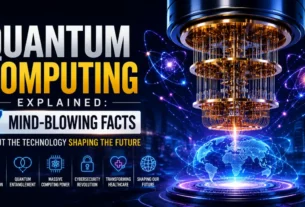
2. Quantum Computing
Today’s computers use binary bits (0s and 1s). Quantum computers use qubits, which can represent multiple states simultaneously.
This technologies enables them to perform certain calculations exponentially faster.
By 2035, quantum computing may revolutionize:
Drug Discovery
Researchers could simulate molecular interactions in minutes instead of years.
Climate Research
More accurate climate models and advanced technologies could improve environmental planning.
Financial Markets
Banks could optimize investments and manage risks with unprecedented speed.
Logistics
Global shipping networks could become dramatically more efficient.
Although practical quantum computers are still under development, many experts believe the coming decade will be a turning point.
3. AI-Powered Robotics
Robots are rapidly becoming smarter.
Instead of simply repeating programmed movements, next-generation robots will:
- Understand spoken language
- Learn new tasks
- Navigate unfamiliar environments
- Collaborate safely with humans
Industries That Will Benefit
Manufacturing
Smarter production lines.
Healthcare
Hospital assistants and surgical robots.
Agriculture
Autonomous harvesting.
Warehousing
Faster logistics.
Construction
Robotic building systems.
Humanoid robots may become common in workplaces before they become common in homes.
4. Personalized Medicine
Healthcare is moving away from one-size-fits-all treatments.
By 2035, AI and genetic analysis could allow doctors to design treatments specifically for each patient.
Future healthcare may include:
- DNA-based medications
- Personalized cancer therapies
- AI-assisted diagnosis
- Continuous health monitoring
- Predictive disease prevention
Instead of treating illnesses after symptoms appear, medicine will increasingly focus on preventing disease altogether.
5. Brain-Computer Interfaces
Brain-computer interfaces (BCIs) allow direct communication between the brain and computers.
Current research already enables patients with paralysis to control computers using only their thoughts.
Future applications may include:
- Restoring mobility
- Helping people communicate after strokes
- Controlling prosthetic limbs naturally
- Advanced virtual reality
- Faster interaction with digital devices
While widespread consumer adoption may take longer, medical uses are expected to expand rapidly by 2035.
6. Autonomous Transportation
Self-driving technology continues to improve every year.
By 2035 we may see:
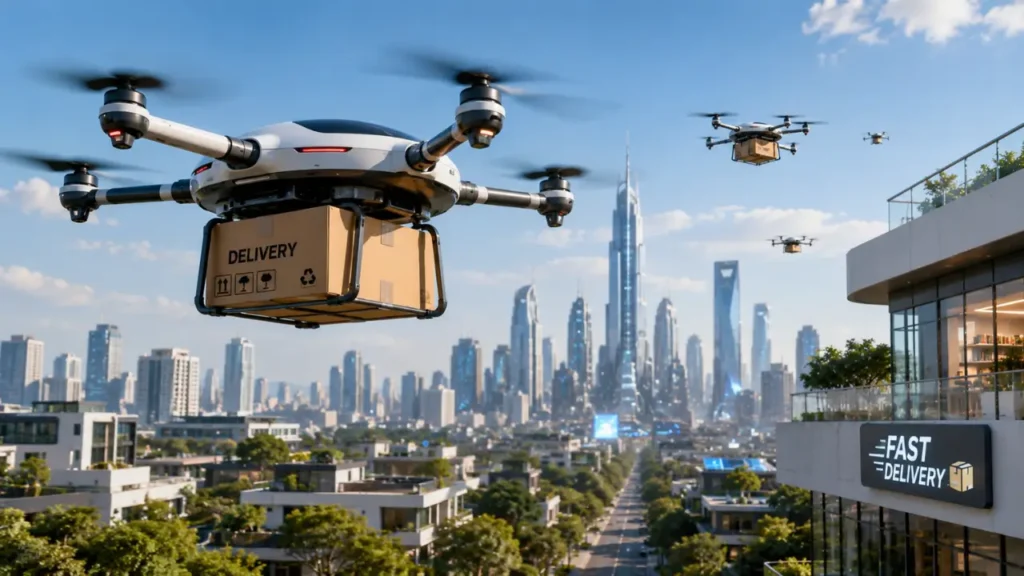
- Fully autonomous taxis
- Driverless freight trucks
- Smart public transportation
- AI-controlled traffic systems
- Delivery robots
Benefits
- Fewer accidents
- Lower transportation costs
- Reduced traffic congestion
- Greater mobility for elderly and disabled individuals
Transportation may become safer, cleaner, and significantly more efficient.
7. Clean Energy Revolution
The future depends on sustainable energy.
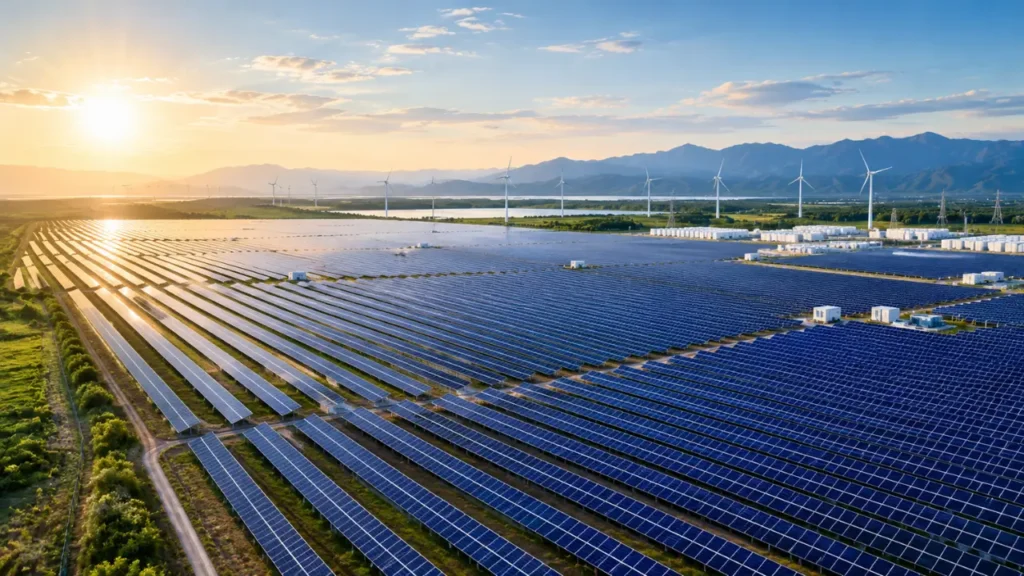
Major innovations include:
Advanced Solar Panels
Higher efficiency with lower manufacturing costs.
Next-Generation Batteries
Longer-lasting energy storage for homes and vehicles.
Green Hydrogen
A promising fuel for heavy industry and transportation.
Nuclear Fusion
Although still experimental, fusion could provide nearly limitless clean energy.
Combined, these technologies may dramatically reduce global carbon emissions.
8. Smart Cities
Cities are becoming increasingly connected through sensors and AI.
Future smart cities could feature:
- Intelligent traffic management
- Smart power grids
- Automated waste collection
- AI-controlled public transportation
- Water conservation systems
- Real-time environmental monitoring
Residents may enjoy shorter commutes, lower pollution, and improved public services.
9. Extended Reality (XR)
Extended Reality combines:
- Virtual Reality (VR)
- Augmented Reality (AR)
- Mixed Reality (MR)
By 2035, XR could transform:
Education
Students could explore ancient civilizations or human anatomy in immersive 3D.
Healthcare
Doctors may train using highly realistic simulations.
Engineering
Engineers could collaborate globally on virtual prototypes.
Shopping
Customers might virtually try products before buying.
XR has the potential to change how we learn, work, and socialize.
10. Advanced Biotechnology
Biotechnology is evolving rapidly.
Scientists are developing techniques that could:
- Repair damaged organs
- Grow replacement tissues
- Edit faulty genes
- Improve crop production
- Create disease-resistant plants
Gene editing technologies may eliminate some inherited diseases before birth while raising important ethical questions.
11. Space Technology
The space industry is entering a new era.
By 2035 we may see:
- Permanent lunar research bases
- Commercial space stations
- Mars exploration missions
- Asteroid mining research
- Space-based solar power
Private companies are significantly reducing launch costs, making space exploration more accessible than ever before.
Space technologies often generate innovations that later improve life on Earth.
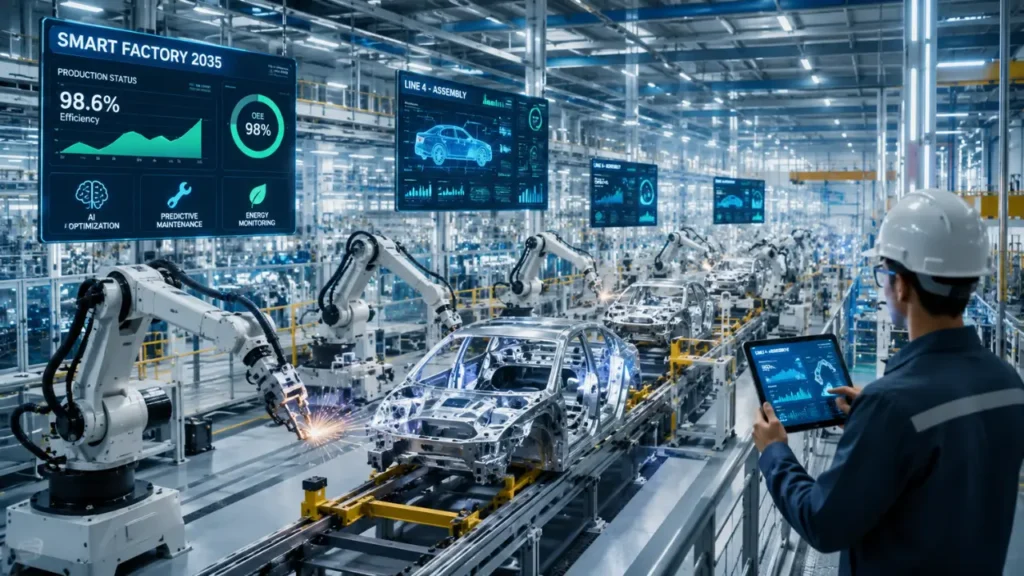
12. Hyperautomation
Hyperautomation combines:
- Artificial Intelligence
- Machine Learning
- Robotic Process Automation (RPA)
- Process Mining
- Intelligent Analytics
Businesses will automate increasingly complex workflows.
Examples include:
- Customer service
- Accounting
- Human resources
- Supply chain management
- Marketing campaigns
Rather than replacing every worker, automation will increasingly eliminate repetitive tasks, allowing employees to focus on creativity and strategic decision-making.
Industries That Will Be Transformed
Virtually every industry will experience major disruption.
Healthcare
AI diagnosis, robotic surgery, personalized medicine.
Education
Adaptive AI tutors and immersive virtual classrooms.
Manufacturing
Smart factories powered by robotics and automation.
Finance
Fraud detection, algorithmic investing, AI financial advisors.
Agriculture
Precision farming, autonomous tractors, drone monitoring.
Retail
Cashierless stores, AI recommendations, robotic warehouses.
Transportation
Electric autonomous vehicles and intelligent logistics.
Challenges Society Must Address
Technological progress also creates new responsibilities.
Privacy
As more devices collect personal data, protecting privacy becomes increasingly important.
Cybersecurity
More connected systems mean greater exposure to cyberattacks.
Workforce Transition
Automation will change many jobs, requiring continuous learning and reskilling.
Ethical AI
AI systems must remain transparent, fair, and accountable.
Regulation
Governments will need updated laws that encourage innovation while protecting citizens.
Successfully addressing these issues will determine how beneficial these technologies become.
Skills That Will Matter Most by 2035
As technology advances, human skills become even more valuable.
The most in-demand abilities may include:
Critical Thinking
AI provides information, but humans make strategic decisions.
Creativity
Innovation still depends heavily on imagination.
Emotional Intelligence
Empathy and leadership cannot easily be automated.
Digital Literacy
Understanding AI and emerging technologies will become essential.
Adaptability
Workers who continuously learn new skills will thrive.
How Businesses Can Prepare
Organizations should begin preparing today by:
- Investing in AI adoption
- Upskilling employees
- Strengthening cybersecurity
- Automating repetitive workflows
- Exploring data-driven decision making
- Monitoring emerging technologies
- Encouraging innovation
Companies that embrace technological change early are more likely to remain competitive.
The Future Is Closer Than You Think
Many technologies once considered science fiction are already entering everyday life. AI assistants, wearable health monitors, autonomous machines, and advanced robotics are only the beginning.
By 2035, the convergence of artificial intelligence, biotechnology, clean energy, quantum computing, robotics, and immersive digital experiences could fundamentally reshape civilization.
The most successful individuals and organizations won’t necessarily be those with the most resources—they’ll be those who adapt the fastest.
Rather than fearing technological change, society has an opportunity to guide it responsibly, ensuring innovation improves quality of life, expands human potential, and helps solve some of the world’s greatest challenges.
Frequently Asked Questions (FAQ)
What are the most important technologies that will change the world by 2035?
Artificial intelligence, quantum computing, robotics, biotechnology, autonomous transportation, clean energy, brain-computer interfaces, smart cities, and extended reality are expected to have the greatest global impact.
Will artificial intelligence replace most jobs?
AI will automate many repetitive tasks, but it is also expected to create new careers in technology, healthcare, cybersecurity, robotics, education, and digital services. The workforce will increasingly shift toward jobs that require creativity, problem-solving, and human interaction.
Will quantum computers replace traditional computers?
No. Quantum computers are designed for highly specialized problems, such as molecular simulation and optimization. Traditional computers will continue to be used for everyday computing tasks.
How will healthcare change by 2035?
Healthcare is expected to become more personalized through AI diagnostics, genetic analysis, wearable monitoring devices, robotic surgery, and preventive medicine, allowing earlier detection and more effective treatments.
Why is clean energy considered one of the most transformative technologies?
Advances in solar power, battery storage, green hydrogen, and potentially nuclear fusion could reduce dependence on fossil fuels, lower carbon emissions, and create a more sustainable global energy system.
Conclusion
The technologies that will change the world by 2035 are no longer distant concepts—they are actively being developed today. From artificial intelligence and quantum computing to biotechnology, clean energy, and autonomous robotics, these innovations promise to redefine nearly every aspect of modern life.
While these advancements bring exciting opportunities, they also require thoughtful regulation, ethical oversight, and a commitment to lifelong learning. Individuals, businesses, and governments that prepare now will be better positioned to thrive in a future driven by rapid technological change.
The next decade will not simply introduce new gadgets—it will shape a new era of human progress. Those who embrace innovation with responsibility and adaptability will help build a smarter, healthier, and more connected world for generations to come.